

Project Gorgon Server Population Examined
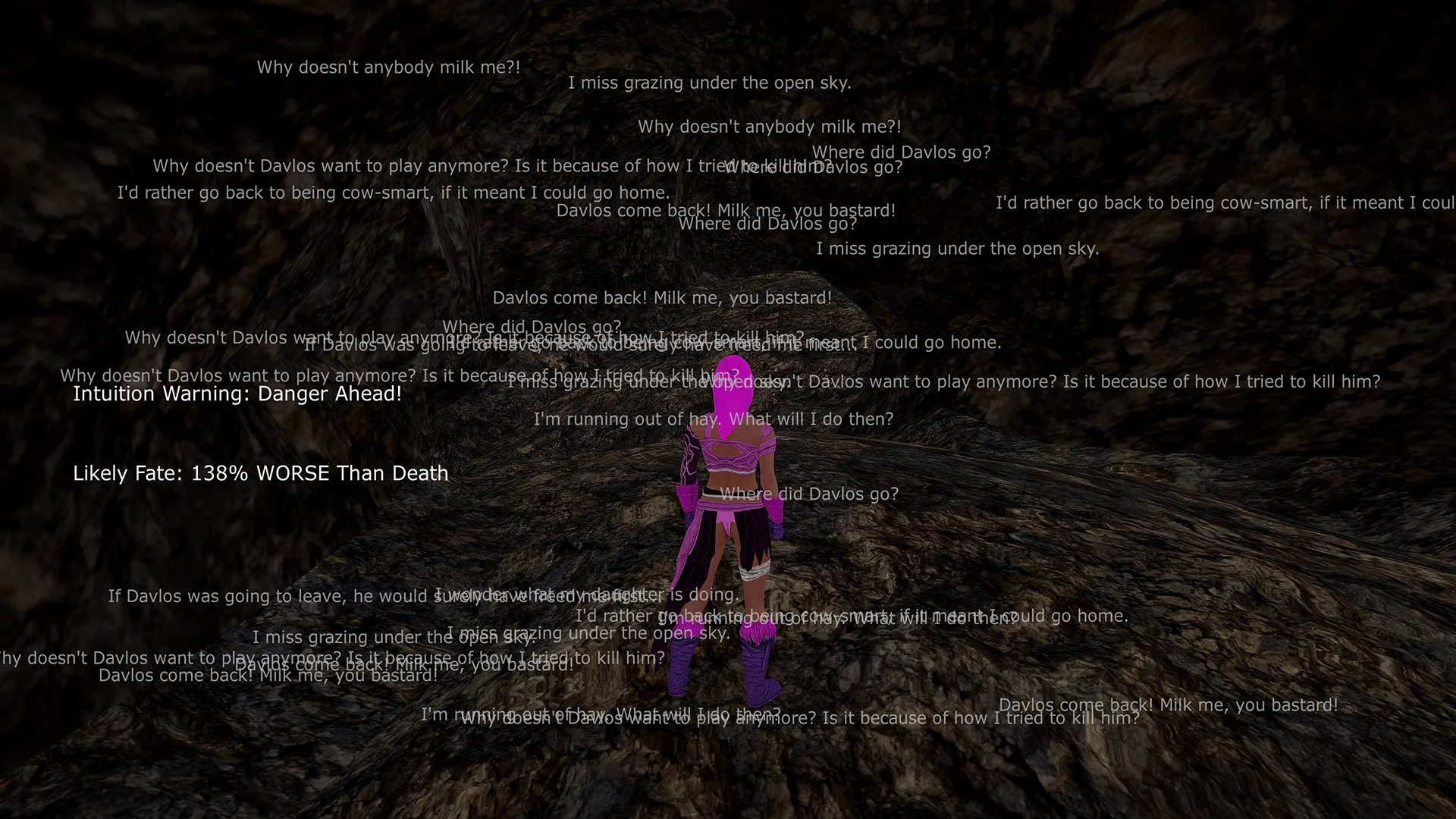
Project Gorgon server population is strong and clearly split across three servers after the 1.0 Steam release. Daily average players increased from roughly 500 before launch to around 2600 after release, and that growth is now distributed between Arisetsu, Dreva, and Strekios. We do not have exact server numbers, but in game activity makes the differences at least somewhat notable.
If you are searching for how populated each server feels, the answer depends on how recently each one launched and where players are clustered.
How Project Gorgon Population Is Split
Project Gorgon does not publish live population counts per server. Population is judged by zone activity, grouping speed, chat movement, and economy health.
All three servers are active. None of them feel abandoned.
Arisetsu Server Population
Arisetsu is the original server and has the longest running characters. Many players here are already deep into mid and high level progression.
You will usually notice the following.
Active global chat with many veteran players
Busy mid and high level zones
A well developed player economy
Consistent access to crafted gear
Arisetsu may very well hold the highest total population, but players are spread out across the world rather than concentrated in early areas.
Dreva Server Population
Dreva launched a few days after 1.0 release as the first fresh start server. It is still new, just slightly ahead of Strekios.
Most players on Dreva started after launch:
Active early and mid game zones
Growing high level population
A developing but functional economy
Mix of returning players and new players
Dreva feels lively and is probably the most crowded from our experience, but of course that might be because everyone is crammed into the starting areas.
Strekios Server Population
Strekios is the newest fresh start server. Most players here are early to mid progression.
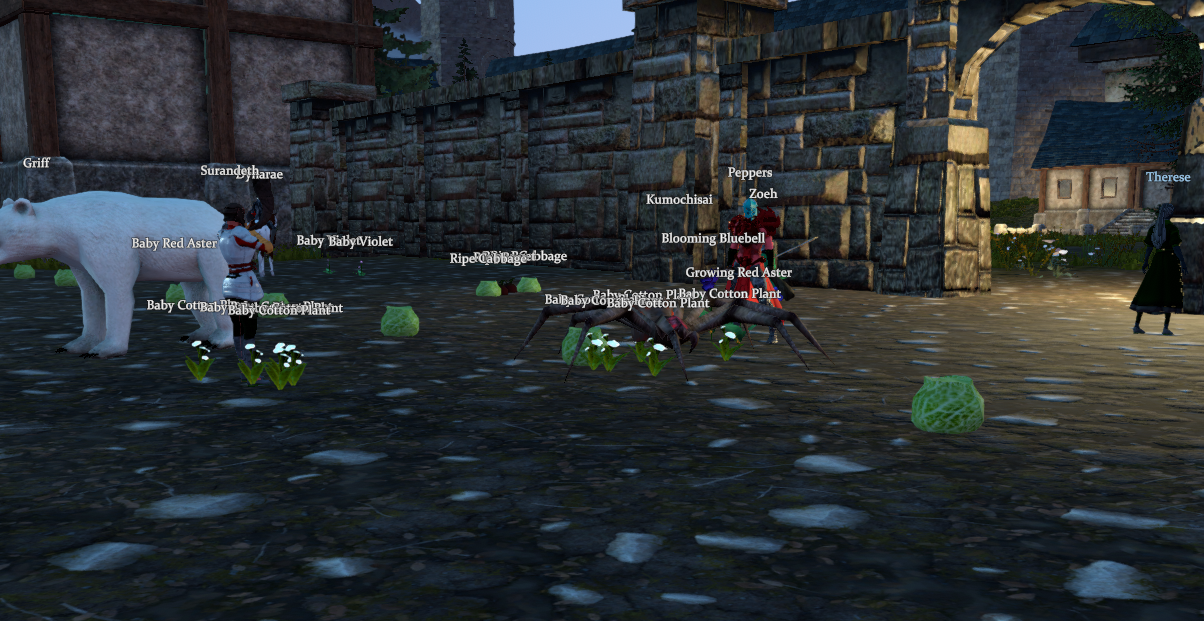
Starter zones are busy, early bosses see frequent groups, and many players are learning systems at the same pace.
Heavy activity in early zones
Fast group formation for low level content
Limited high level crafting for now
Strong sense of shared progression
Strekios feels ok and seems to be mostly new players.
How Steam Launch Changed Population
Again, before the 1.0 release, Project Gorgon averaged around 500 daily players. After launching on Steam, that number rose to roughly 2600 daily.
Returning players mostly stayed on Arisetsu or moved to Dreva. Many brand new players chose Dreva at first, then Strekios once it opened.
This split prevented any single server from becoming overloaded.
How Population Affects Gameplay
Server population affects social flow, not difficulty or progression speed.
Higher population areas mean faster grouping and more trade. Lower density areas mean quieter zones and less competition for spawns.
All servers provide full access to content.
Which Server Feels Most Populated
Dreva feels the most populated across early and mid game, but for late game the original server might have the most experience players (logically speaking). Strekios, from what I saw, has the least amount of veterans and is mostly newbies.
Each server feels busy enough in different ways, but for starters the two fresh starts are solid choices.
Population Changes Over Time
Population shifts with updates, events, and time of day. Peak hours matter more than raw averages.
All three servers currently maintain healthy activity.
Final Takeaway On Server Population
Project Gorgon server population is strong across all three servers, and as of now we don’t have official numbers on how many players play on each.
For more, check out our Project Gorgon Hub page.