

Project Gorgon Sword Build Guide: Abilities and Rotation
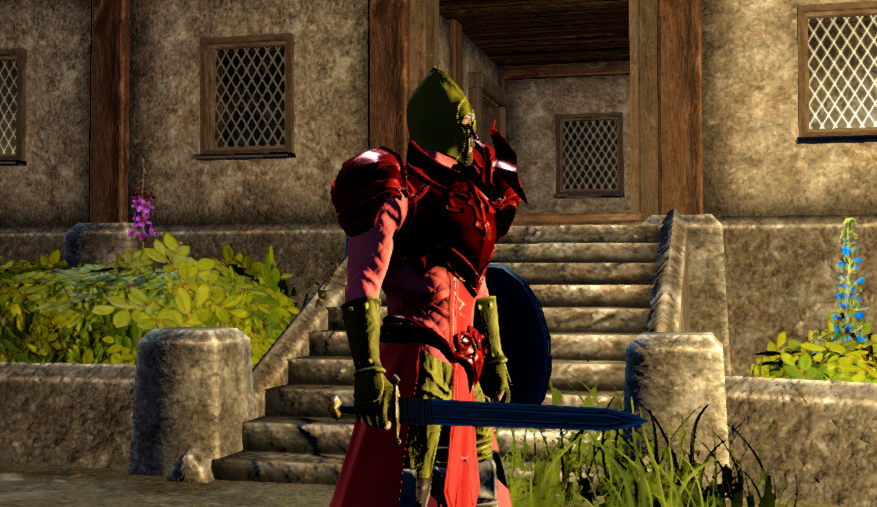
Sword in Project Gorgon is a sustained single target melee weapon built around Trauma damage, Rage control, and controlled burst windows. The strongest Sword builds stack Many Cuts and Hacking Blade for steady pressure, reduce enemy Rage with Parry or Riposte, then spike damage with Wind Strike into Decapitate or Finishing Blow. When played correctly, Sword is consistent, durable, and scales very well into high level content.
This guide breaks down the mechanics, ability tiers, rotations, and how Sword actually performs at higher levels.
How Sword Actually Works
Sword damage comes from three sources.
Direct Slashing or Piercing hits
Trauma damage over time
Bonus damage from Vulnerable windows
Many Cuts is labeled as a Core Attack because it defines the weapon. Every rank increases both the Slashing hit and the Trauma over time. At higher ranks like Many Cuts 6 through 11, the Trauma component becomes a major part of your total damage.
Hacking Blade adds additional Trauma ticks. These stack with Many Cuts, meaning you are layering two separate damage over time effects.
Wind Strike adds a large bonus to your next attack. At high ranks like Wind Strike 8 or higher, the bonus becomes massive and should always be paired with a heavy hitter.
Parry and Riposte both reduce enemy Rage. Rage management matters because many enemies scale damage based on Rage. Lower Rage means lower incoming damage and fewer dangerous abilities.
Sword Ability Tiers and What To Prioritize
Not every ability scales the same. Some are essential, others are situational.
Core Damage Line
These should always be upgraded as soon as possible.
Many Cuts
Hacking Blade
Wind Strike
Sword Slash or Thrusting Blade
Many Cuts is mandatory. Higher ranks drastically increase Trauma damage.
Hacking Blade becomes stronger with each rank, increasing both Slashing and Trauma.
Wind Strike scales extremely well at high ranks. The bonus damage jumps heavily at mid and late tiers.
Sword Slash upgrades are free basic improvements. Thrusting Blade can replace it if you prefer Piercing damage.
Defensive and Control Line
These determine survivability.
Parry
Riposte
Debilitating Blow
Heart Piercer
Parry reduces the next incoming attack by a flat amount that scales with rank. At Parry 7 and above, it removes large chunks of damage.
Riposte reduces Rage and deals strong damage to Vulnerable targets. At high tiers like Riposte 9 or 10, it becomes a powerful hybrid defensive attack.
Debilitating Blow reduces enemy damage by up to 25 percent at higher ranks. That is extremely valuable in harder content.
Heart Piercer converts enemy Rage into Trauma damage. This ability becomes very strong against Rage heavy enemies.
Burst Line
These are your finishers.
Finishing Blow
Decapitate
Finishing Blow has a lower cooldown and strong Slashing damage. It fits well into regular rotation.
Decapitate has a 60 second cooldown but very high damage. At higher ranks like Decapitate 7 or above, it becomes one of the highest single hit Sword abilities.
Use Decapitate during Wind Strike windows for maximum impact.
Optimal Sword Rotation At High Levels
At level 70 plus, your rotation should look structured and controlled.
Open with Debilitating Blow
Apply Many Cuts
Apply Hacking Blade
Use Wind Strike
Immediately use Decapitate or Finishing Blow
Maintain Many Cuts uptime
Reapply Hacking Blade before it falls off
Use Riposte or Parry when enemy Rage spikes
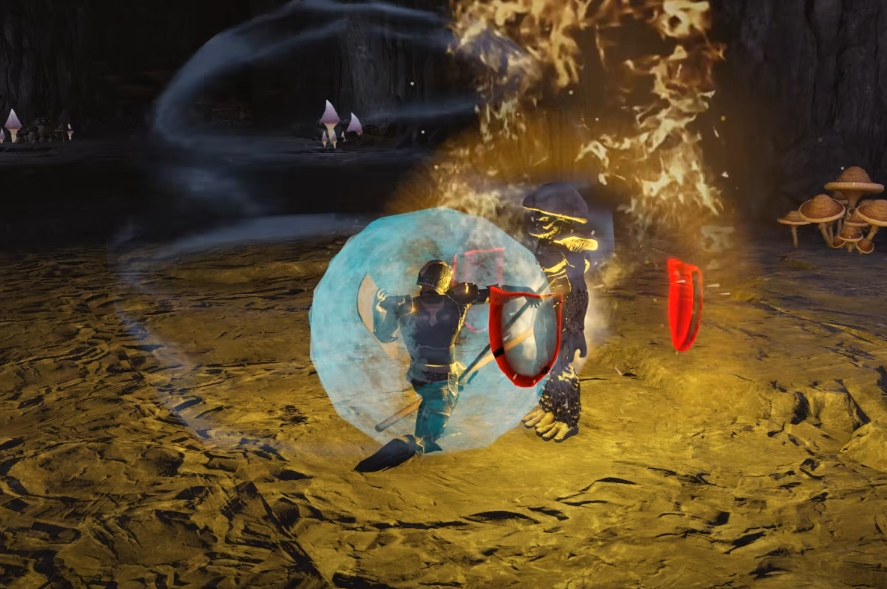
The goal is constant Trauma uptime combined with timed burst.
Never waste Wind Strike on a basic attack. Always pair it with your highest available damage ability.
If the enemy builds high Rage, use Heart Piercer to convert that into Trauma damage and lower their threat.
Trauma Scaling and Why It Matters
Sword’s real strength is Trauma stacking.
Many Cuts high ranks can apply heavy Trauma over 6 seconds. Hacking Blade adds additional Trauma over the same window. These stack separately.
This means you can have two separate Trauma effects ticking at once.
In longer fights, this sustained damage often outperforms pure burst weapons.
Power Management
High rank Sword abilities are expensive.
Decapitate 8 and above costs significant Power. Finishing Blow also increases in cost at higher ranks.
To avoid running dry:
Do not spam heavy abilities back to back
Keep Many Cuts active but avoid clipping early
Use Wind Strike only when a heavy attack is ready
Sword rewards pacing. Overusing burst abilities reduces long term damage.
Sword Against Undead
Flashing Strike does bonus Nature damage to undead targets.
At high ranks like Flashing Strike 7 or above, this indirect Nature damage becomes meaningful. If you are fighting undead heavy zones, consider slotting Flashing Strike into your build.
Sword In Group Content
Sword performs well in single target boss fights.
Debilitating Blow reduces boss damage
Parry reduces burst hits
Many Cuts maintains steady damage
Sword is not naturally area focused. It excels at sustained boss pressure rather than multi target clearing.
Final Answer
The best Sword build in Project Gorgon focuses on Many Cuts and Hacking Blade for stacked Trauma damage, Wind Strike to amplify burst attacks, and Parry or Riposte to control enemy Rage. At higher levels, combine Wind Strike with Decapitate for heavy burst while keeping Trauma effects active at all times.
Sword performs best when you maintain uptime on damage over time, manage Rage properly, and use burst abilities during buff windows. When built and rotated correctly, it remains one of the most stable and reliable melee weapons in the game.
For more, check out our Project Gorgon Hub page.