

Project Gorgon Gardening Guide

Gardening in Project Gorgon lets players grow vegetables, herbs, flowers, and special crops used across many other crafting skills. The skill is simple to start but becomes very useful later for crafting materials, food buffs, and trade goods.
Players plant seeds in gardening plots found throughout the world. After watering or fertilizing the plant, it grows for a short time before being harvested for experience and materials.
How Gardening Works In Project Gorgon
Gardening is a trade skill focused on growing plants. These plants can be used in crafting, quests, and sometimes sold for profit.
To start gardening you need three things.
Seeds
A gardening plot
Water or fertilizer
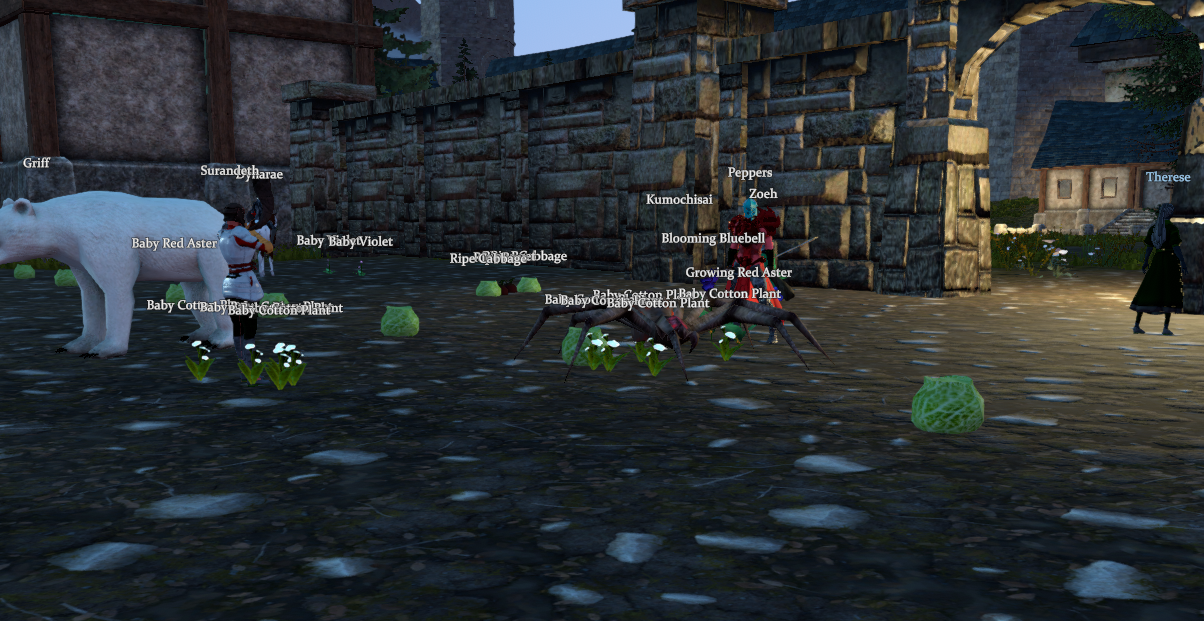
When standing near a garden plot, right click a seed in your inventory to plant it. The plant grows for a short time and can then be harvested for Gardening experience and items.
Low level plants usually require water. Higher level crops often require fertilizer to grow.
Gardening Trainers And Skill Levels
Gardening can be trained up to level 90 through several NPC trainers across Alharth.
Kelim in Amulna unlocks levels 51 through 70
Floxie in the Fae Realm unlocks levels 71 through 80
Dunahain Broadarm beneath Povus unlocks levels 81 through 90
These trainers allow you to continue leveling the skill once you reach each training threshold.
Where To Find Gardening Plots
Gardening plots appear in many regions across the game world. They are usually easy to recognize because rows of vegetables or cabbage appear in the soil.
Some common gardening locations include:
Serbule near the farm west of town
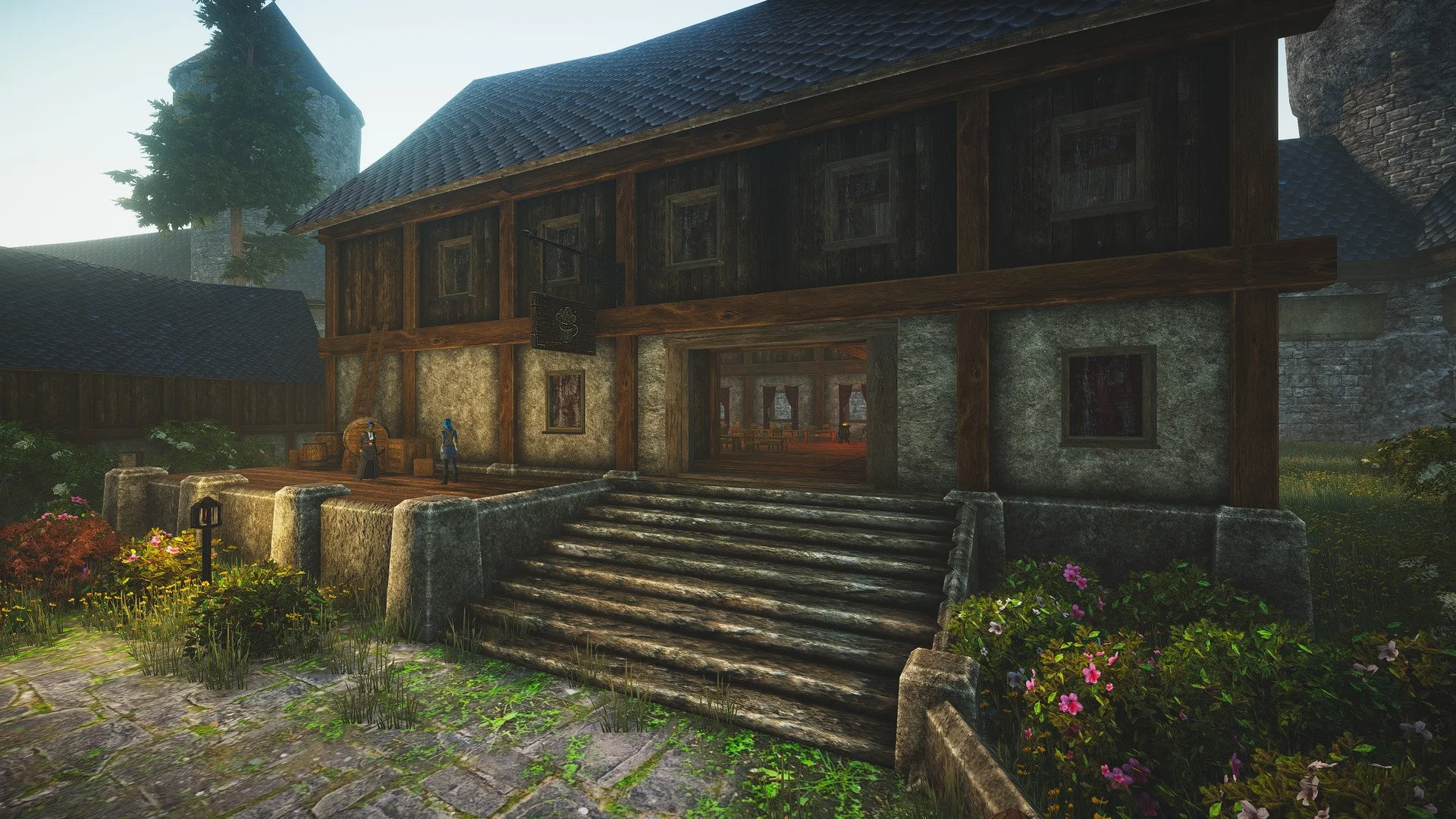
Serbule Hills farms around the Tapestry Inn
Eltibule farms near the keep
Sun Vale inside Animal Town
Kur Mountains near the pond east of Wolf Cave
Ilmari near Kelim in Amulna
Rahu City in the central pavilion
Gazluk animal camp
Povus near the status board
Fae Realm near Floxie
These locations allow players to plant seeds and harvest crops for experience.
Vegetables You Can Grow
Vegetables are the most common gardening crops. They are used mainly in Cooking recipes and food buffs.
Early vegetables include:
Potato
Onion
Cabbage
Beet
Squash
Mid level crops expand into:
Broccoli
Carrot
Green Pepper
Red Pepper
Corn
Higher level crops include:
Escarole
Basil
Cantaloupe
Peas
Soybeans
Tomato
Some crops produce multiple items per harvest, especially peppers and corn.
Flowers And Decorative Plants
Gardening also allows players to grow flowers. These are commonly used in Flower Arrangement and Nature Appreciation.
Early flowers include:
Bluebell
Red Aster
Violet
Dahlia
Mid tier flowers include:
Daisy
Pansy
Marigold
Poppy
Higher tier flowers include:
Red Rose
Elven Lily
Winterhue
Desert Rose
Tulip
Dandelion
These plants give experience and crafting materials used in decorative recipes.
Unique Gardening Crops
Some gardening plants are rare or special.
Examples include:
Cotton used in Textile Creation
Sugarcane used in cooking recipes
Barley used for grain materials
Pumpkin during Halloween events
Flax used for crafting
Oat and Tundra Rye crops
Some seeds come from monsters, events, or special locations rather than vendors.
Gardening Mechanics And Planting Limits
Gardening plots allow multiple plants to grow at the same time.
Typical planting limits include:
2 vegetable plants
3 flower plants
5 cotton plants
2 grass plants such as barley or sugarcane
Some plants share slots. For example peppers share the same vegetable slot.
Seeds can be planted simply by right clicking them while standing in a gardening area.
Water And Fertilizer
Most crops require either water or fertilizer to grow.
Bottle of Water is commonly used for early plants. These bottles can be refilled for free at wells such as the one in Serbule.
Higher level crops often require Bottle of Fertilizer. Fertilizer recipes can be purchased from Therese and crafted using materials like bone meal or rotten meat.
After using water or fertilizer, the empty bottle returns to your inventory.
Gardening Buffs And Bonus Yield
Several bonuses can improve Gardening results.
Performance Appreciation buffs increase the experience gained when harvesting crops.
Music can also improve gardening results. If players nearby are playing instruments, plants may receive a bonus yield.
More musicians nearby increases the chance of extra harvest rewards.
Gardening Almanac Bonus
Each day a random zone receives a bonus for a specific crop.
When the bonus is active, that plant gives double rewards when grown in the selected region.
Gardening Almanacs can be found in several places that show upcoming bonuses.
Serbule windmill building
Rahu near Hirochi the Booklord
Red Wing Casino
Checking the Almanac can help players farm certain crops much faster.
Best Skills That Work With Gardening
Gardening connects with many other crafting skills in Project Gorgon.
Important related skills include:
Cooking for food buffs made with vegetables
Alchemy for fertilizer ingredients
Milling for ground flower seeds
Textile Creation for cotton materials
Nature Appreciation for flower crafting
Foraging is also important because it helps players find new seeds to plant.
Helpful Gardening Tips
Always refill water bottles at wells instead of buying new ones
Use fertilizer on higher level crops to speed leveling
Check the Gardening Almanac daily for bonus crops
Grow cotton early if you plan to craft textiles
Play instruments nearby or stand near musicians for extra yield
Using these strategies makes leveling Gardening much faster.
Final Thoughts On Gardening
Gardening is one of the most useful trade skills in Project Gorgon. It provides crafting materials, cooking ingredients, flowers, and other valuable resources.
While the skill starts simple with basic crops like potatoes and onions, it eventually expands into rare plants, crafting materials, and bonus farming systems that reward players who check the Almanac and plan their harvests carefully.


For more, check out our Project Gorgon Hub page.