

Project Gorgon Death XP and Dying Skill Explained
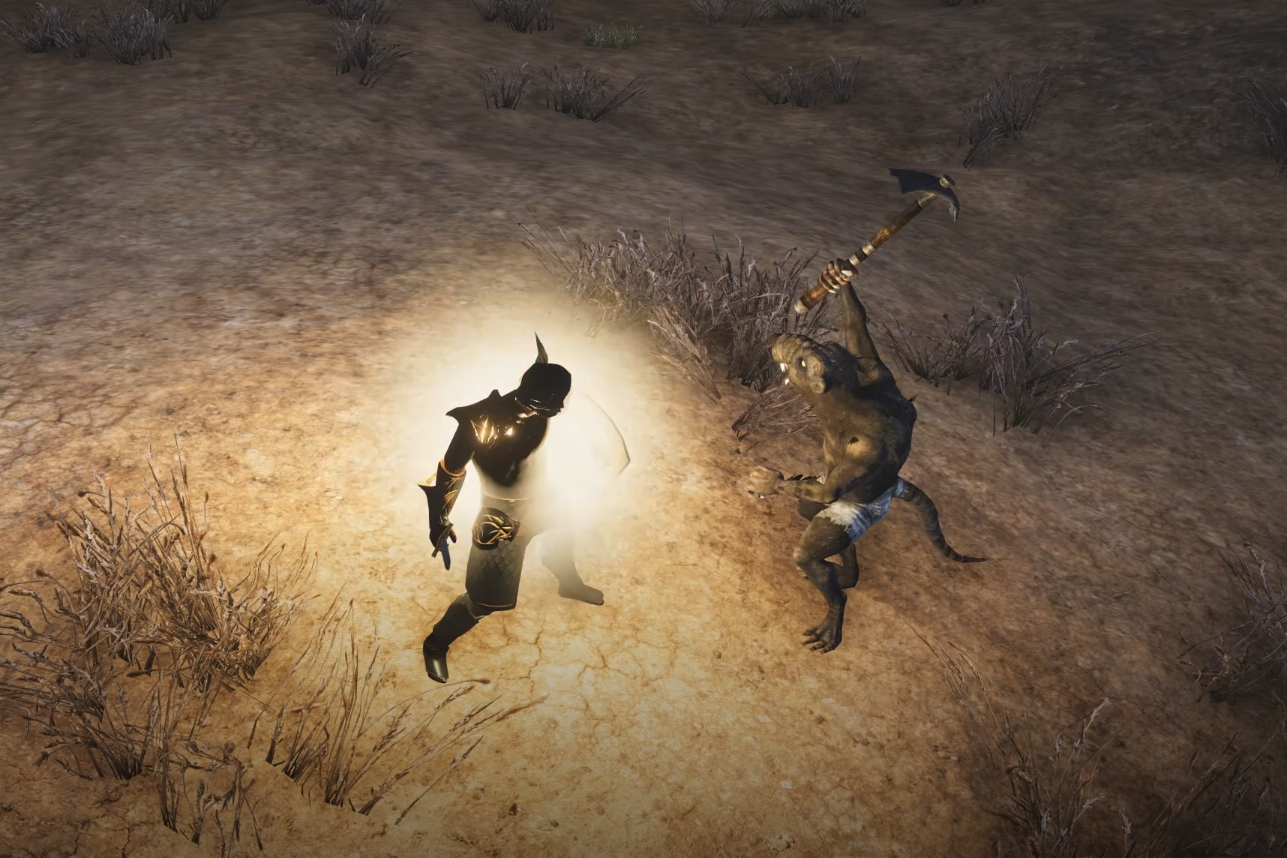
Death XP in Project Gorgon is not a punishment system, but rather a progression mechanic that rewards experimentation, curiosity, and learning through failure. Unlike most MMOs, dying can actively make your character stronger if you understand how the system works.
This guide explains what Death XP is, how you earn it, and why new players should not ignore it.
What Death XP Actually Is
Death XP is tied to the Dying skill.
Every character has the Dying skill
It tracks how and why you have died
Leveling it provides permanent benefits
The game treats death as something to learn from, not something to avoid at all costs.
How You Earn Death XP
Death XP is earned when your health reaches zero.
Important rules.
The first time you die from a specific cause gives bonus Death XP
Repeating the same death still gives XP, but much less
Unique deaths matter more than frequent deaths
To see what deaths you have already recorded, open the Skills panel, select Dying, and view the causes list.
Why Unique Deaths Matter
The system is built to encourage discovery.
Falling
Drowning
Monster damage
Environmental hazards
Special effects and conditions
Each new cause teaches the game that you experienced something different, and it rewards that curiosity.
What You Get From Leveling Dying
The Dying skill provides real benefits.
Small but permanent Max Health increases
Access to a powerful utility ability
Progress toward Necromancy related systems
These bonuses apply permanently and never get taken away.
The Level 10 Unlock: Enter The Light
At level 10 Dying, a new option appears when you die.
Enter the light.
Opens portals to random locations
Provides direct portals to Serbule and Rahu
Fixed location portals have long cooldowns
This turns death into a movement tool instead of just a setback.
Death XP And Necromancy
Death XP directly supports Necromancy.
Necromancy benefits from death related systems
Tombstones created by deaths interact with Necromancy
Groups of tombstones can form graveyards
Players interested in Necromancy naturally benefit from engaging with the Dying skill.
Tombstones And Social Interaction
Every death leaves a tombstone.
Tombstones record how you died
You can remove your own tombstones if desired
Multiple tombstones together have gameplay significance
Other players can interact with tombstones to gain Compassion, creating social value from death.
Roleplay Death Effects Are Cosmetic
Sometimes death applies a temporary roleplay effect.
These can include.
Phobias
Delusions
Paranoia
Dementia style behaviors
These effects do not change mechanics. They exist purely for flavor and can be ignored if you want.
Diseases And Death
Some deaths or attacks can apply diseases.
Diseases are permanent unless cured
Certain abilities and effects can also cause disease
These are separate from Death XP but often encountered alongside it
Diseases are rare early and usually tied to specific dangers.
Should New Players Intentionally Die
Yes, within reason.
Good times to explore Death XP.
Early game when gear is cheap
While learning new zones
When curious about mechanics
Bad times to farm Death XP.
During Hardcore Mode
While carrying expensive gear
In dangerous boss areas
The goal is discovery, not frustration.
Death XP Is Not A Death Penalty
Death XP exists to change how players think.
Death does not erase progress
Death unlocks systems
Death rewards curiosity
This is why Project Gorgon feels different from traditional MMOs. For more information on the death penalty check out our guide here.
Final Note
In Project Gorgon, dying is a form of learning. Death XP turns mistakes into progress, unlocks permanent bonuses, and feeds into deeper systems like Necromancy and world interaction. Once you understand that unique deaths matter more than avoiding death entirely, the game becomes far less intimidating and far more interesting.
For more, check out our Project Gorgon Hub page.