Project Gorgon Classes Explained
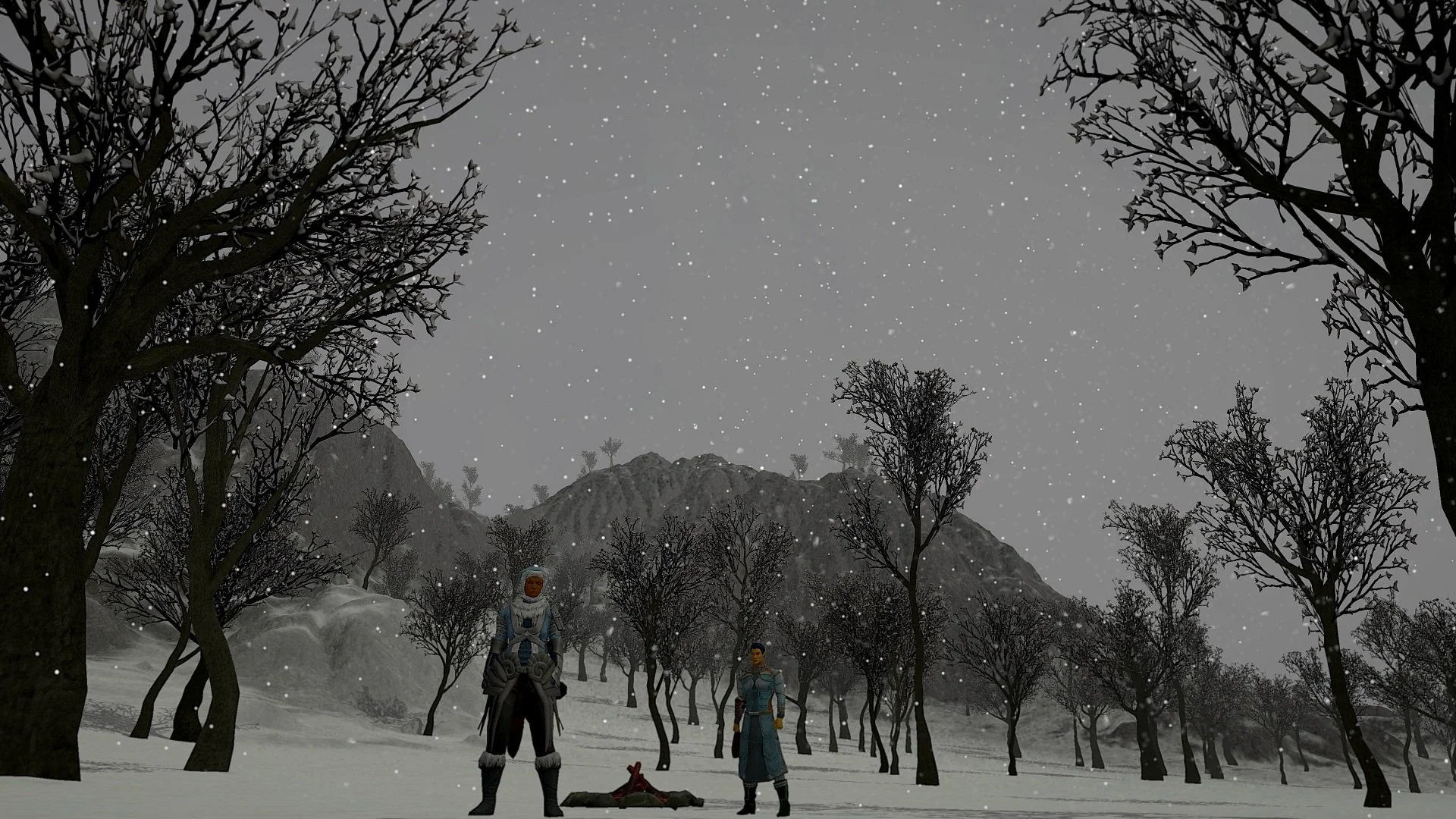
Project Gorgon does not use traditional classes at all. Instead of picking a class at character creation, you build your own playstyle by mixing and matching combat skills, magic schools, and even beast forms as you progress.
In Project Gorgon, your character is defined entirely by the skills you train and equip, which means there is no fixed role like warrior, mage, or healer unless you choose to build one.
How The Classless System Works
There are no character levels and no locked class paths. Every character can learn almost every skill in the game, limited only by access, favor, and personal progression choices.
You can equip two primary combat skills at a time. These determine your active abilities, combat bar, and most of your playstyle in fights.
Combat Skills Replace Classes
Combat skills are the closest thing Project Gorgon has to classes. Each one brings its own mechanics, strengths, and weaknesses, and most are designed to pair well with several others.
Some skills focus on raw damage, others on defense, control, support, or utility. Your role changes depending on which two skills you equip together.
Magic Focused Playstyles
Magic skills often lean toward control, utility, and elemental damage. They tend to scale heavily with gear and research progression.
Ice Magic focuses on control, defense, and area damage
Mentalism centers on electricity damage and power based scaling
Psychology provides healing, power regeneration, and crowd control
Fire Magic acts as an early magic entry point and unlock path
Magic builds are flexible but usually require more preparation and gear planning.
Melee And Physical Combat Builds
Melee skills provide survivability, debuffs, and consistent damage without heavy reagent costs.
Sword offers strong defense and damage reduction debuffs
Hammer delivers heavy hits with high power costs
Shield emphasizes elemental defense and damage mitigation
Staff focuses on physical defense and support scaling
Many players combine melee skills with support or magic to balance offense and survival.
Support And Utility Skills
Some skills shine as secondary choices that enhance almost any build.
Psychology improves sustain and control
Battle Chemistry provides buffs, movement speed, and area attacks
Druid offers mobility, damage, and flight at higher levels
Animal Handling adds pet based pressure and utility
These skills often define group roles more than raw damage skills.
Beast Forms As Alternative Classes
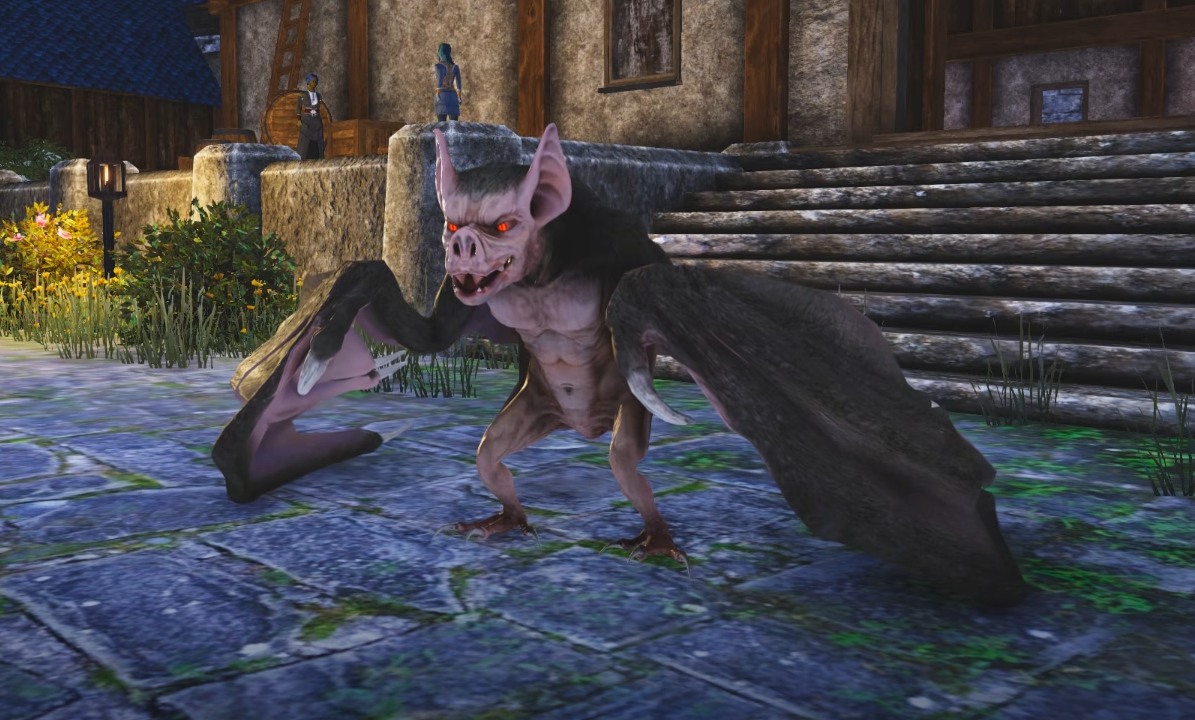
Beast forms function like full alternative class paths with unique mechanics and restrictions. They replace equipment usage with form specific scaling and abilities.
Cow focuses on extreme durability and melee damage
Deer trades power for mobility and jump utility
Spider specializes in poison damage and debuffs
Pig and Lycanthropy offer hybrid movement and combat styles
Beast forms can be combined with other skills to create highly specialized builds.
You Are Not Locked Into Anything
One of the most important things for new players to understand is that no choice is permanent. You can swap combat skills freely, train new ones later, and adjust your build as you learn the game.
This encourages experimentation rather than optimization pressure early on.
What New Players Should Focus On
Instead of worrying about picking the right class, new players should focus on learning systems and finding skill combinations they enjoy.
Try multiple combat skills early
Pair offense with at least one sustain or control skill
Do not rush into expensive systems like crafting too early
Explore freely since death penalties are light
Progression rewards curiosity more than efficiency.
Final Note
Project Gorgon does not ask you to choose a class because your character is the class. Your skills, gear, and exploration choices shape your role at every stage, making experimentation and personal playstyle the core of the experience rather than fixed archetypes.
More Project Gorgon