

OSRS Beginner Guide (2026): What To Do During Your First 100 Hours
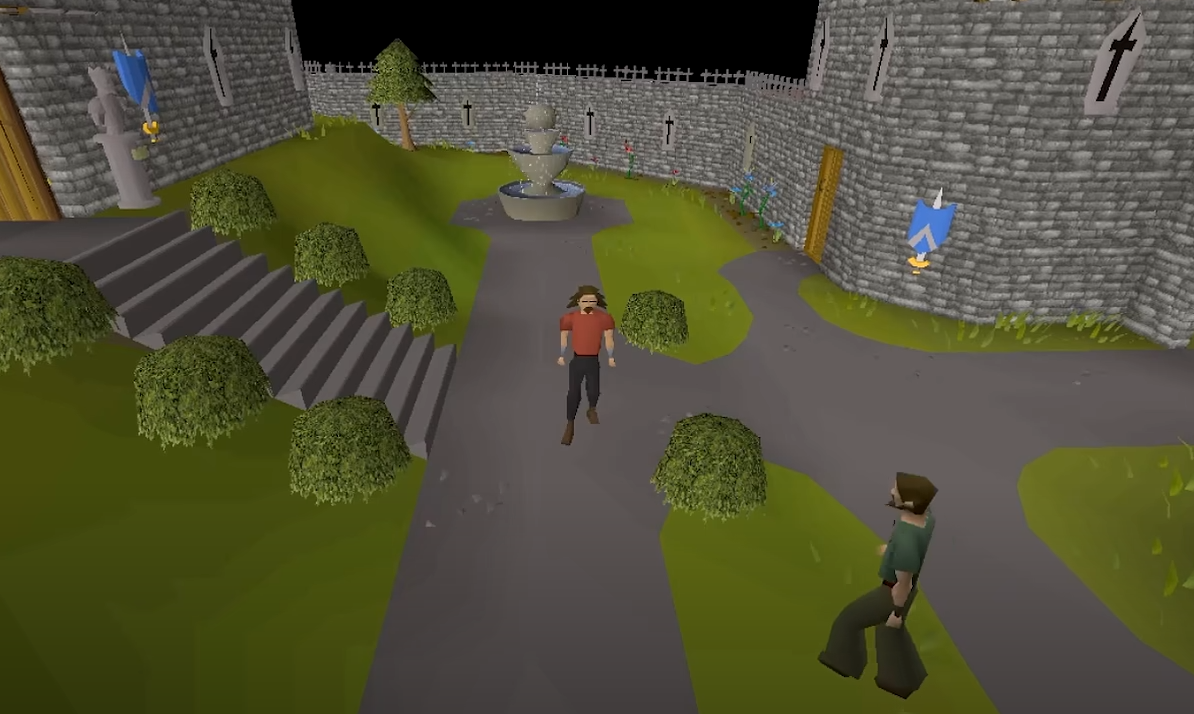
Old School RuneScape in 2026 is still one of the most rewarding MMORPGs you can play, but it is also one of the most unforgiving about telling you what to actually do. Tutorial Island covers the bare minimum. Then the game drops you in Lumbridge with full freedom, no waypoints, and no campaign structure pointing you toward the next objective. Most new players spend their first several hours doing things that feel productive but barely move their account forward. This guide covers the decisions that actually shape how strong your account becomes, from day one through the first real stretch of meaningful progression. That includes quests, skills, transportation, money making, Slayer, RuneLite, account security, and the mental side of playing a game designed to take hundreds of hours of your life.
Jump To
Why Unlocks Matter More Than Levels
What To Do Your First Day
Why Most Players Use RuneLite
Quests Are the Real Early Game
Transportation Systems and Why They Change Everything
Combat Progression and Your First Gear Milestones
The Skills New Players Overvalue
The Skills New Players Ignore But Shouldnt
When and How To Start Slayer
Making GP as a Beginner
Free to Play vs Members
The First 10 Account Milestones Worth Aiming For
Protecting Your Account
Dont Play OSRS Like a Job
Common Beginner Mistakes
Why Unlocks Matter More Than Levels in OSRS
The biggest misconception new OSRS players carry in from other MMOs is that levels are the primary measure of progress. They are not. Levels matter, but what your account can actually access matters far more. A player with 50 combat stats, Fairy Rings unlocked, access to the Lunar spellbook, Barrows Gloves, and a handful of key quest completions will consistently outperform a player with 80 combat stats and no meaningful unlocks. The account with the unlocks has faster travel, better spells, access to content the other account cannot reach, and equipment that sits well above what raw leveling provides.
This is one of the things that makes OSRS genuinely different from most modern MMORPGs. Progress is not linear. Two accounts at the same total level can be in completely different positions depending on how that time was spent. The game has an enormous amount of content gated behind quests, achievement diary completions, and specific item or skill requirements, and most of those gates are designed to reward players who engage with the game broadly rather than grinding one thing. The fastest-progressing accounts are almost never the ones that sat at a single training spot for weeks. They are the ones that front-loaded quests, unlocked transportation early, and built toward content that opened further doors.
Whenever you are staring at the game wondering what to do next, the most useful question to ask is whether the current activity unlocks something. If completing a quest gives you access to a new region, a new spellbook, a powerful piece of equipment, or a faster travel method, it is almost always worth doing before continuing a skill grind. If you are grinding Woodcutting from 35 to 40 for no particular reason, that time is probably better spent elsewhere. The game rarely tells you this directly, which is why so many players spend their first few weeks feeling like they are progressing without actually opening the parts of the game that matter.
The unlock-first mindset also protects you against one of the most demoralizing early game experiences in OSRS: discovering that a skill you have been grinding manually for hours could have been skipped almost entirely by a quest you did not know existed. Waterfall Quest is the most famous example. It rewards enough Attack and Strength experience to take both skills from level 1 to approximately level 30 with no combat at all. Players who spend the first several hours killing goblins and cows for early combat experience are doing it the hard way without realizing there is an easier path sitting right there in the quest log.
What To Do Your First Day in OSRS
Tutorial Island is unavoidable and worth completing properly. It covers the absolute basics: how to move, how to interact with objects, how to use the combat interface, how skills work, and how the inventory functions. Before you leave, collect everything from the storage chest near the end. Those supplies carry you through the first hour or two in Lumbridge without needing to purchase anything or grind for basic items. Starting with a small stack of food and basic tools makes the first steps in the open world far less jarring than arriving empty-handed.
When you arrive in Lumbridge for the first time, the single best thing you can do is resist the urge to start grinding. The temptation to immediately start fighting cows, chopping trees, or mining copper ore is completely understandable because those activities feel like obvious early game content. They are not useless, but they are far from the most efficient use of your time. The Lumbridge area has several short quests that can be completed within the first hour and each one gives more value than an equivalent amount of grinding. Cook's Assistant is one of the shortest quests in the game and rewards Cooking experience immediately. The Restless Ghost rewards Prayer experience. Sheep Shearer gives Crafting experience and a small amount of GP. None of them take long, and collectively they start building the habit of prioritizing quest completions over idle grinding.
After the Lumbridge quests, walk north to Varrock. The Grand Exchange sits in the northwest corner of the city and is one of the most important systems in OSRS for non-Ironman accounts. Understanding it early changes how you think about the entire game. The GE is a centralized marketplace where almost every tradeable item in OSRS can be bought or sold at current market rates. You do not need GP to start using it. Just knowing it exists means you no longer have to obtain every item through your own skilling. If you need arrows, food, better armor, or tools for a quest, you can buy them. If you are producing materials through skilling, you can sell them for GP. The GE removes most of the friction from early game resource management and opens up efficient training methods that would otherwise require hours of material collection first.
While you are in Varrock, pick up the Shield of Arrav and Romeo and Juliet quests. Both are short, low-requirement quests that reward experience and GP. Varrock also has the Varrock Sewers nearby, which is one of the better early combat training locations because of the variety of monsters at accessible levels. Moss Giants in the deeper section drop Big Bones, which are worth collecting for either Prayer training or selling at the GE.
The first day should end with several quest completions under your belt, at least a basic understanding of the Grand Exchange, and your first taste of the quest-driven progression loop that defines how the strongest early accounts are built. If you spent the day killing chickens and wondering why the game feels slow, the quest log is where the answer lives.
Why Most Players Use RuneLite
RuneLite is a free, open-source client for OSRS that the vast majority of active players use instead of the official client. Jagex has officially endorsed it, it is allowed under the rules of the game, and it does not give any unfair competitive advantage. What it does give you is a significantly better experience for everything from questing to skilling to bossing. If you are playing on the official client right now, switching to RuneLite costs nothing and takes about five minutes. There is almost no reason not to.
The single most valuable thing RuneLite offers new players is the Quest Helper plugin. Quest Helper overlays your screen with step-by-step instructions for whatever quest you are currently working on. It shows you exactly where to go, what items to bring, what NPCs to talk to, and in what order. For a game that historically gave you a quest journal entry and expected you to figure out the rest yourself, Quest Helper completely changes the new player experience. Quests that would otherwise require a browser tab open to a wiki guide become self-contained. The overlay handles the navigation. You just follow along. For a beginner trying to front-load quest completions and build an account efficiently, Quest Helper alone justifies installing RuneLite immediately.
Beyond Quest Helper, RuneLite has a plugin system with hundreds of community-maintained additions. The core plugins that matter most for beginners are straightforward. The Ground Items plugin highlights dropped items on the ground and can be configured to show item values, which prevents accidentally walking past drops worth picking up. The XP Tracker shows real-time experience rates during training sessions so you can evaluate whether a method is as efficient as it feels. The Clue Scroll Helper assists with clue scroll steps the same way Quest Helper assists with quests. Bank Tags let you organize your bank into labeled tabs, which becomes essential once your bank starts filling up with skilling materials, quest items, and gear sets. Tile Indicators show you exactly which tile you are standing on, which matters more than it sounds once you start doing content where positioning is relevant.
RuneLite also has built-in GPU rendering support that improves how the game looks and performs on modern hardware. The stretched mode option lets you play in a larger window without the interface scaling issues that came with the official client. These are quality-of-life improvements rather than gameplay advantages, but they make long sessions more comfortable and reduce the visual fatigue that comes from staring at a small game window for extended periods.
One thing worth knowing about RuneLite is that not every plugin in the Plugin Hub is maintained equally. The Plugin Hub is the community section where third-party plugins live beyond the official built-in set. Some are excellent. Some are outdated. Sticking to the core built-in plugins while you are getting started is the safest approach, and adding Plugin Hub additions as specific needs arise is more reliable than enabling everything at once. The built-in plugins alone are enough to make a meaningful difference in how the game feels from day one.
Quests Are the Real Early Game
Nothing in the early game of OSRS provides the return on time investment that quests do. Not skill grinding. Not combat training. Not farming the Grand Exchange. Quests reward experience that compresses hours of grinding into minutes of gameplay, unlock content that cannot be accessed any other way, and provide items and equipment that carry accounts well into the mid game. Treating quests as optional content or story filler is one of the most expensive mistakes a new player can make, measured purely in time.
The experience rewards are the most obvious benefit. Waterfall Quest rewards 13,750 Attack experience and 13,750 Strength experience. On a fresh account, that takes both skills from level 1 to approximately level 30 instantly, and no combat is required to complete it. The quest itself has no combat either, so it can be done with low stats as long as you bring enough food and understand the mechanics. A new player who does not know this quest exists will spend two to three hours killing low-level monsters to reach the same stats that Waterfall Quest hands out in about 20 minutes. That gap compounds across dozens of quests throughout the game. The players who understand this and front-load quests early consistently end up ahead of players who rely purely on manual training.
The Witch's House quest is another excellent early example. It requires no skill levels to start, takes under 30 minutes, and rewards 6,325 Hitpoints experience, which pushes a fresh account to level 32 Hitpoints. That is a significant jump for a free quest and directly improves combat survivability before any serious training begins. The Knight's Sword rewards 12,725 Smithing experience, which takes Smithing from level 1 to level 29 instantly. Smithing is genuinely painful to train from scratch and expensive to grind through conventional methods, so skipping that stretch entirely with a single quest saves real time. Druidic Ritual unlocks the Herblore skill entirely. Without completing it, Herblore cannot be trained at all. These are not small rewards buried in obscure content. They are foundational to how accounts progress efficiently.
Beyond experience, quests unlock regions and systems that shape what the entire game looks like. Priest in Peril unlocks Morytania, which is required for Barrows, Slayer tasks in the region, and eventually the Theatre of Blood. Fairytale I and II unlock the Fairy Ring transportation network, one of the single most useful travel systems in the game. Dragon Slayer I unlocks the ability to wear Rune Platebody, which is the best free-to-play body armor and a major defensive upgrade for early combat. Lunar Diplomacy unlocks the Lunar spellbook, which contains powerful utility and healing spells not available on the standard spellbook. Lost City unlocks Zanaris and access to Dragon equipment. The quests are not side content. They are the main progression path for the first significant portion of your account's development.
The most efficient approach is to batch quests by region and skill requirement rather than doing them randomly. When you are in Lumbridge, complete every available Lumbridge and Draynor quest before moving on. When you travel to Varrock, clean up the Varrock quests. This approach minimizes travel time, groups quests that share prerequisite skill requirements, and builds quest point totals that unlock further content as you go. Early on, the goal is not the quest cape. It is using the quest log as the actual roadmap for account progression that it was designed to be.
From my experience, the accounts that felt the most ahead in the early game were always the ones that looked under-leveled on paper but had a long quest completion list. Stats can always be trained. Quest unlocks cannot be obtained any other way, and some of them open doors that take weeks or months of additional progression to reach through combat and skill training alone.
Transportation Systems and Why They Change Everything
OSRS has a large world. Walking everywhere is slow, and the difference between an account with good transportation unlocks and one without is felt on every single login. Experienced players often value transportation upgrades more than small combat stat increases because transportation saves time every session, compounding into hours over the life of an account. Understanding the available systems early and prioritizing the unlocks that open them is one of the highest-value things a new player can do.
The Fairy Ring network is the most powerful general-use transportation system in the game. After completing Fairytale I: Growing Pains and starting Fairytale II: Cure a Queen, you gain access to dozens of teleportation rings scattered throughout the OSRS world. Each ring uses a three-letter code to teleport you to a specific destination. The network covers locations that no other travel method reaches easily, including many boss and Slayer locations. Unlocking Fairy Rings should be a priority for every account that intends to do any serious content progression, and the quest requirements to unlock them are achievable with moderate early game stats.
Teleportation spells on the standard spellbook are the other major travel method for early accounts. Lumbridge Home Teleport is available immediately and provides a free teleport to Lumbridge on a 30-minute cooldown. Varrock Teleport, Falador Teleport, Camelot Teleport, and Ardougne Teleport are all available through the standard spellbook with Magic level requirements and rune costs. These spells make crossing the map a matter of seconds instead of minutes and are worth using regularly even with the rune cost, because the time saved is always worth more than the rune value at any reasonable early game efficiency level. Law Runes and Air Runes for basic teleports are inexpensive at the Grand Exchange.
The Amulet of Glory provides four charges of teleportation to Edgeville, Draynor Village, Al Kharid, and Ardougne. It is one of the best-value early game jewelry pieces because it covers four frequently visited locations and can be recharged at the Fountain of Heroes after completing Heroes' Quest. An Amulet of Glory in your neck slot costs almost nothing in the mid game and eliminates the need to walk to or from several of the most commonly visited areas in the game.
Agility unlocks shortcuts throughout the OSRS world that save meaningful time when navigating certain areas. The Falador shortcut, the Edgeville Dungeon shortcuts, and various other passage points require Agility levels to use and make reaching certain training spots, Slayer assignments, and quest locations noticeably faster. Agility is a slow skill to train, but moderate investment in the mid game pays off consistently as shortcuts accumulate. The Stamina Potion, which reduces the rate at which run energy drains, is also worth keeping in your inventory during sessions with a lot of movement between locations. Run energy management is a minor but real friction point in the early game that experienced players solve with Stamina Potions while new players just walk everywhere and wonder why everything takes so long.
Canoes, Charter Ships, and Gnome Gliders round out the early transportation options. Canoes can be made with basic Woodcutting levels and provide fast river travel between certain points on the map. Charter Ships allow travel between port cities for a GP cost. The Gnome Glider network requires completing part of the Grand Tree quest and connects several locations not easily reached otherwise. None of these are as powerful as Fairy Rings or standard spellbook teleports, but they fill gaps and can save meaningful time when the destination matches an available route.
Combat Progression and Your First Gear Milestones
Combat in OSRS is built around three primary styles: Melee, Ranged, and Magic. Each has its own equipment progression, training methods, and use cases. For most new players, Melee is the easiest entry point because it requires the least starting capital and remains effective throughout the early and mid game without needing constant gear upgrades or consumable management. That said, all three styles have meaningful roles, and understanding when to switch between them is part of what separates efficient accounts from ones that feel stuck.
The attack style interface on your equipped weapon controls which skill receives experience during combat. Accurate trains Attack. Aggressive trains Strength. Defensive trains Defence. Controlled splits experience between all three at a reduced rate per skill. The standard progression recommendation for most melee accounts is to train Attack to 60 first, then Strength as high as possible, then fill in Defence later. The reasoning is that Attack level determines which weapons you can equip, and higher-damage weapons make every subsequent hour of Strength training faster. Getting to 60 Attack unlocks the Dragon Scimitar after completing Monkey Madness I, which is the standard mid-game training weapon for most melee accounts. Before that milestone, the Rune Scimitar at 40 Attack is the go-to weapon. Fast attack speed, solid damage, and cheap enough at the Grand Exchange to replace without any meaningful GP impact.
Defence carries most accounts through on Rune Armor once 40 Defence is reached. The full Rune set is the best armor available in free-to-play and remains the standard for members in the early to mid game as well. Reaching 40 Defence as early as reasonably possible gives a large survivability boost that reduces food costs and makes combat training significantly less punishing. Dragon Armor starts at 60 Defence and represents a major upgrade for accounts that reach that threshold, though it is expensive and not urgent unless you are working toward specific content that demands it.
Prayer is one of the most important secondary combat stats and worth building passively from the very beginning. Every bone dropped by a monster can be buried for Prayer experience. Burying bones costs nothing, takes one click, and adds up faster than most new players expect. The most important Prayer milestone for combat is level 43, which unlocks Protect from Melee. That single prayer eliminates incoming melee damage and transforms survivability against melee-attacking monsters, making previously dangerous content entirely safe. Protect from Missiles at level 40 does the same against Ranged attacks. Getting both unlocked before attempting any serious boss or Slayer content is strongly recommended.
Food management is an underrated part of early combat progression. New players often spend more GP on food than necessary because they are fighting in inefficient ways. Lobsters and Swordfish are the standard foods for most combat situations. Lobsters heal 12 Hitpoints and are cheap at the Grand Exchange. Swordfish heal 14 and cost slightly more. Sharks heal 20 and are typically overkill until higher-level content. Using Protect Prayers where applicable, choosing monsters appropriate to your current stats, and not lingering in areas where you are frequently near death will cut food costs dramatically compared to fighting content above your level.
The Skills New Players Overvalue
Not every skill in OSRS deserves early attention, and grinding the wrong ones first is one of the quietest ways to fall behind. New players tend to dump time into skills that feel productive but provide almost no meaningful account progression in the early game. Recognizing which skills those are early saves significant time.
Woodcutting is probably the most overleveled skill on new accounts. It is accessible immediately, the feedback loop of chopping trees feels satisfying, and logs seem like they should be useful for something. The reality is that early Woodcutting levels produce very little GP, give no meaningful unlocks until much higher levels, and the experience rates are slow relative to the time invested. Players who spend their first ten hours getting Woodcutting to 50 have very little to show for it in terms of account capability. The skill becomes relevant later, particularly for players working toward the Woodcutting Guild or who want to train Fletching, but it is not a priority in the early game and treating it like one is a time sink that compounds badly.
Mining and Smithing have a similar problem. Both are slow, both provide modest early GP, and Smithing specifically is a skill that is far better handled through quest experience rewards than manual grinding. The Knight's Sword quest jumps Smithing from level 1 to level 29 instantly. Spending hours manually reaching that same level is choosing the hard version of a task that has an easier solution. Mining has more relevance later in the game through the Motherlode Mine and eventually the Mining Guild, but early Mining grinding produces very little of value compared to the time invested.
Firemaking is the most commonly trained low-value skill on new accounts. It is fast, it is easy, and it gives the satisfying visual of a lit fire that disappears 60 seconds later. It does almost nothing useful until much higher levels and the Wintertodt boss, which requires level 50 Firemaking. New players light fires all over Lumbridge because it feels like progress. It is not. The time spent getting Firemaking to 40 manually would be better spent on nearly any quest in the game. If you want to train Firemaking, do it at Wintertodt once you hit 50, where you get meaningful rewards alongside the experience rather than just a line of disappearing fires.
Crafting is genuinely useful but easily overvalued for the wrong reasons. Leveling it through spinning flax or cutting gems in the early game is a reasonable skilling activity because it produces sellable items alongside the experience. Where it becomes a problem is when players start crafting items purely for experience without any connection to the GP cost or what the output produces. Crafting is best trained when the method also generates something sellable or when quest requirements demand a specific level. Grinding Crafting experience for its own sake in the early game is expensive relative to what it returns.
The Skills New Players Ignore But Shouldnt
On the other side of the equation, several skills that new players consistently ignore or deprioritize turn out to be some of the most important in the game. Getting a head start on these pays off far more than most players expect.
Prayer is the most undervalued skill on fresh accounts. Most new players bury bones inconsistently or not at all, and then realize somewhere around level 35 combat that they still have level 20 Prayer and cannot access the protection prayers that would make their combat training dramatically safer and cheaper. Burying every bone you pick up costs nothing and requires no extra effort beyond one click per monster kill. The habit of burying bones from the very first goblin you kill in Lumbridge means that by the time you are ready for real combat content, your Prayer level is following naturally rather than needing a dedicated training session. Getting to 43 Prayer for Protect from Melee genuinely changes how survivable you are in almost every combat situation in the game, and players who ignore Prayer early end up either dying more than necessary or spending GP on prayer-boosting items to compensate for the missing level.
Magic is consistently underestimated by new players who focus purely on Melee. The reason this is a mistake is that Magic in OSRS is not just a combat style. It is a transportation system, a utility tool, and a requirement for a significant portion of quests and content. Standard spellbook teleports require Magic levels that most players reach naturally through incidental combat, but the Lunar spellbook and the Ancient Magicks spellbook, both unlocked through quests, contain spells that are genuinely powerful for skilling, bossing, and daily quality-of-life. Beyond spellbooks, Magic levels open up High Level Alchemy, which converts items to GP without visiting the Grand Exchange. Once you understand High Alchemy, many skilling methods that seemed unprofitable become surprisingly reasonable because you can alch the products directly from your inventory. Ignoring Magic entirely means missing transportation, missing alchemy income, and hitting level requirements for quests that assume a player has been using Magic naturally throughout their progression.
Agility is one of the most tedious skills in the game and one of the most impactful to have at moderate levels. The stamina mechanics in OSRS mean that players with low Agility drain run energy quickly and spend a lot of time either walking slowly or waiting for energy to recover. Higher Agility levels slow the drain rate and unlock shortcuts throughout the game world that cut travel time meaningfully. The Rooftop Agility courses that train the skill also produce Marks of Grace, which can be exchanged for Graceful Armor. The Graceful set reduces run energy drain significantly when worn and is one of the best quality-of-life upgrades available in the mid game for any account that does a lot of moving between locations. Players who ignore Agility entirely end up spending more time waiting for energy to recover than they realize, which turns every training session and every transit between locations into a slower experience than it needs to be.
Farming is probably the most misunderstood skill for new players because it looks passive and unimportant from the outside. The reality is that Farming is one of the highest GP-per-minute skills in the game once you understand how patch runs work. Farming does not require you to sit at a training spot. You plant seeds, log off or do something else for the growth timer, then return to harvest and replant. The actual time investment per Farming run is a few minutes. Herb patches in particular produce Grimy Herbs that sell at the Grand Exchange for consistent GP. Ranarr Weed and Snapdragon patches are among the best GP-per-minute activities in the entire game at higher Farming levels. Players who set up Farming runs early and maintain them throughout their progression accumulate both Farming experience and GP passively alongside everything else they are doing. The players who ignore Farming until they notice it is one of their lowest skills end up spending dedicated time grinding a skill that was free to train incrementally all along.
Herblore follows Farming naturally because Grimy Herbs from Farming runs need to be cleaned and made into potions to sell at their best value or to use in content. Herblore is members-only, requires completing Druidic Ritual to unlock, and is expensive to train quickly. The players who set up Farming runs and use the herbs for Herblore training simultaneously end up with both skills growing together, which is significantly more efficient than training either one in isolation. Combat Potions, Prayer Potions, and Super Restores are Herblore products that see constant demand in the Grand Exchange and are used in nearly every piece of serious combat content in the game. Having the Herblore level to make your own potions eventually saves meaningful GP compared to buying them constantly throughout mid and late game progression.
When and How To Start Slayer
Slayer is one of the most important skills in OSRS and the backbone of mid-game combat progression for the majority of active players. It works by assigning a task of a specific monster type from a Slayer Master, and each monster killed on that task grants Slayer experience alongside standard combat experience. Many monsters are only accessible through Slayer assignments or have substantially better drop tables when killed on task. The skill is also the primary source of some of the best mid-game weapons and equipment in the game, including the Abyssal Whip, Trident of the Seas, and various other items that define how effective an account becomes in the mid and late game.
The right time to start Slayer is as soon as your combat stats are sufficient to handle the assigned monsters without dying constantly. A rough guideline for starting Slayer is 40 Attack, 40 Strength, 40 Defence, and 43 Prayer for Protect from Melee. These are not hard requirements, but they represent a baseline where most early Slayer tasks are completable without excessive food costs or deaths. Starting Slayer too early with very low stats is frustrating because tasks that should be straightforward become dangerous, and the experience rates feel painfully slow when you cannot kill monsters efficiently.
Choosing the right Slayer Master matters. Turael in Burthorpe assigns the easiest tasks in the game and is useful for blocking bad tasks or resetting a streak you do not want to continue. Mazchna in Canifis is the standard starting master for most accounts because his tasks are appropriate for lower combat levels and the Canifis location is convenient for early Morytania progression. Vannaka in Edgeville Dungeon is a step above Mazchna and suitable for accounts with higher combat stats. Chaeldar in Zanaris requires access through the Lost City quest and assigns stronger tasks. Nieve and Duradel are the high-end masters and their tasks are designed for accounts with 85 and 100 combat respectively. Most players work their way through Mazchna and Vannaka before reaching Nieve's task pool.
Slayer points are earned by completing tasks and can be spent on unlocks that improve how the skill works. Some of the most useful early unlocks are the ability to cancel and block specific task types you dislike, and the ability to extend certain lucrative tasks. Points accumulate from completing streak tasks, with bonus points given every tenth, fiftieth, hundredth, and two hundred and fiftieth consecutive task completion. Building and maintaining a task streak without skipping is worth doing once you have access to tasks that are genuinely worth completing. Random cancellations break the streak and lose the bonus point rewards.
The Slayer Helm is one of the most important items connected to Slayer progression. It requires 55 Crafting to assemble and combines several head slot items into a single helmet that provides a damage and accuracy boost against assigned Slayer targets when fighting on task. Once unlocked and assembled, the Slayer Helm becomes the standard head slot item for nearly all combat content. The imbued version, Slayer Helm (i), provides the same boost for Ranged and Magic as well and is unlocked through the Nightmare Zone or Soul Wars minigame. Reaching the point where you can make and use a Slayer Helm transforms how combat efficiency feels and is one of the most meaningful single upgrades available in the mid game.
Many of the best drops in OSRS come from Slayer. The Abyssal Whip drops from Abyssal Demons at level 85 Slayer and was the standard melee training weapon for years. The Trident of the Seas drops from Krakens at 87 Slayer and is the best mid-game Magic weapon for most content. The Twisted Bow, Scythe of Vitur, and other top-tier items come from bosses that have Slayer requirements attached to reaching them. Slayer is not just a standalone skill. It is the progression ladder that most of the game's best content is built on top of, and the earlier you start climbing it, the sooner the best parts of the game become available.
Making GP as a Beginner Without Wasting Your Early Game
GP in OSRS is the resource that makes everything else go faster. Better food, better gear, faster skill training, access to services: most of the friction in early and mid game progression can be reduced significantly by having enough GP to remove it. The challenge for new players is that the best money-making methods in OSRS are gated behind skill levels, quest completions, and content access that takes time to build toward. The early game options are slower, but they are accessible immediately and provide enough GP to support steady progression without forcing you to grind specifically for currency.
Cowhides are the most immediate source of GP for a brand new account. Cows near Lumbridge drop them on every kill and they sell consistently at the Grand Exchange because players buy them for Crafting training. The price fluctuates but remains stable because the demand from Crafting is reliable. Feathers from chickens in the same area sell well because Fishing players buy them as bait. Neither method produces significant hourly GP, but both are zero-entry-cost, accessible immediately, and convert time spent killing low-level monsters into real currency rather than nothing.
Big Bones from Hill Giants in Edgeville Dungeon are a meaningful step up once combat stats are high enough to kill them efficiently. Hill Giants die quickly to a player with even moderate early game stats and each one drops a Big Bone worth substantially more than regular bones. A session of Hill Giant killing produces GP from both the Big Bones and the occasional rune drop, and it doubles as combat training, which makes the time efficient on two axes simultaneously. The Edgeville Dungeon entrance from the Edgeville side requires the Brass Key, which is inexpensive at the Grand Exchange but easy to miss as a requirement.
Flax picking and spinning into Bowstrings is a classic early game money maker that remains relevant for players who prefer non-combat GP generation. Flax can be picked just south of Seers' Village and spun into Bowstrings on the spinning wheel directly above the bank in Seers' Village. The route is short, the activity requires no combat, and Bowstrings sell reliably because they are used in Fletching. The Crafting experience from spinning is a useful secondary benefit that comes along for free.
Fishing Lobsters at Catherby is accessible once Fishing reaches level 40 and provides both GP and food simultaneously. Lobsters can be cooked for personal use or sold at the Grand Exchange, and the Catherby bank is close enough to the fishing spot that the route is efficient. Fishing is not exciting content, but it is reliable income with no item requirements beyond a Lobster Pot, which costs almost nothing at the Grand Exchange.
Herb farming is worth setting up even as a beginner because it produces GP passively while you do other things. Early players can start with Guam and Marrentill at low Farming levels. The GP per run is modest at first, but farming patches generate income while you are doing literally anything else in the game, and the habit of running patches early means your Farming level grows passively alongside your other progression. By mid game, herb farming runs become one of the most GP-per-minute activities available.
The most important piece of early game money advice is to not spend GP on gear you will outgrow in a few hours. New players consistently make the mistake of spending every GP they earn on equipment upgrades that are obsolete by the end of the same session. The Rune Scimitar, Rune Armor, and a few pieces of jewelry represent most of what you actually need for a long stretch of early and mid game combat. Hold GP until an upgrade genuinely matters rather than upgrading constantly for small gains.
Free to Play vs Members: What the Subscription Actually Gives You
Free-to-play OSRS is a functional game with a complete tutorial, a small but real world, combat, skilling, and a limited quest list. It is a reasonable way to test whether OSRS fits your playstyle before committing to a subscription. However, free-to-play is a fundamentally limited version of OSRS, and most of the game including everything covered in the Slayer, transportation, and mid-game sections of this guide lives behind the membership wall.
The numbers tell the story clearly. Free-to-play has 8 skills. Members have 23. Free-to-play has around 22 quests. Members have well over 150. Free-to-play offers a handful of money-making methods that cap out at modest GP per hour. Members have access to hundreds of methods ranging from a few hundred thousand to several million GP per hour depending on stats and investment. The entire Slayer skill, the Fairy Ring network, Barrows, Zulrah, Vorkath, Raids, the Theatre of Blood, achievement diaries, and virtually every major piece of content in OSRS is members-only. Free-to-play is the demo. Members is the game.
Membership in 2026 is not cheap. OSRS membership has increased nearly 20 percent over the last four years, which makes it one of the more expensive subscription MMOs at current pricing. The alternative to paying real money is purchasing Bonds in-game through the Grand Exchange. Bonds are tradeable items that grant 14 days of membership time each. They are bought with GP, which means a player with sufficient in-game income can sustain membership indefinitely without spending real money. For a brand new account with limited GP, Bonds are expensive relative to early game income, but they become increasingly realistic to sustain as money-making methods improve through mid-game progression.
If you already know you enjoy the OSRS gameplay loop from free-to-play or from past experience with the game, buying membership immediately is the right call. The early game progression paths recommended by virtually every experienced player all assume membership access. Starting as a member from day one means those paths are available immediately rather than after a separate free-to-play onboarding period that ultimately teaches you a smaller version of the game.
The First 10 Account Milestones Worth Aiming For
Early game OSRS can feel directionless without a clear set of targets to build toward. These ten milestones represent a reasonable progression path through the first meaningful stretch of account development. They are not the only path and they are not ranked in strict order, but each one opens content or improves efficiency in a way that compounds into the rest of your progression.
Complete Waterfall Quest. No combat required. Immediately pushes Attack and Strength to level 30. This is the single best return on time investment available to any new account with enough food to get through the quest safely. Do it before your first serious combat grind.
Unlock the Grand Exchange. Walk to Varrock early and familiarize yourself with how buying and selling works. Every account that is not an Ironman will use the Grand Exchange constantly. Understanding it early removes most of the friction from training, questing, and gear progression.
Reach 43 Prayer. Protect from Melee changes the safety level of almost every combat situation in the game. Bury every bone you encounter from day one and this milestone arrives naturally rather than requiring a dedicated grind.
Complete Priest in Peril. This unlocks Morytania, which is required for Barrows runs, Slayer assignments in the region, and a significant chunk of quest content. It is a short quest with low requirements that removes a major geographical restriction from your account.
Reach 40 Attack, 40 Strength, 40 Defence. This is the first meaningful combat benchmark. A Rune Scimitar at 40 Attack and full Rune Armor at 40 Defence gives you a complete early game melee setup that remains relevant for a long time.
Start Slayer with Mazchna or Vannaka. With moderate combat stats and 43 Prayer, Slayer tasks become manageable and start building toward the long-term progression the skill represents. The earlier you start accumulating Slayer levels, the sooner you reach the content locked behind higher requirements.
Unlock Fairy Rings. Complete Fairytale I and begin Fairytale II to access the Fairy Ring network. This single transportation unlock saves more travel time than almost any other single action you can take on your account.
Complete Dragon Slayer I. This quest unlocks the ability to wear Rune Platebody, which is a significant defensive upgrade, and completing it is a classic OSRS milestone that opens up further quest lines. It has real combat requirements, so it belongs after basic combat stats are established.
Reach 60 Attack and complete Monkey Madness I. The Dragon Scimitar is the standard mid-game melee training weapon. Getting to 60 Attack and completing Monkey Madness I to buy the Dragon Scimitar marks the transition from early to mid game melee progression.
Complete Lunar Diplomacy. This quest unlocks the Lunar spellbook, which contains some of the most useful utility spells in the game including Humidify, Fertile Soil, Superglass Make, and NPC Contact. The Lunar spellbook is one of the most used spellbooks in the mid and late game for skilling and convenience.
Protecting Your Account
Account security in OSRS is something new players almost never think about until it is too late. OSRS accounts get compromised regularly, and the consequences are severe. Unlike most modern games, OSRS has no rollback system for hacked accounts. If someone logs into your account and drops or transfers your items before you notice, those items are gone. Jagex will not restore them. The bank you spent months building, the gear you farmed, the GP you accumulated: all of it can disappear in minutes if your account is not properly secured.
The first thing every new player should do before spending meaningful time on an account is migrate to a Jagex Account if they have not already. Jagex Accounts use email-based login and support two-factor authentication through an authenticator app. The old username and password system that older accounts used is significantly less secure and more vulnerable to credential stuffing attacks, where someone uses passwords leaked from other sites to try logging into OSRS accounts. Two-factor authentication means that even if someone has your password, they cannot log in without access to your authentication app. Enable it immediately. It takes five minutes and it is the single most effective security measure available.
Phishing scams are the most common way OSRS accounts get stolen. The scam almost always looks the same. A message on Discord, Reddit, a fan site, or even in-game tells you that there is an issue with your account, that you have won something, or that a trusted-looking website needs you to log in to verify your details. The site looks identical to the real Jagex or OSRS login page. You enter your credentials. The attacker has them immediately. Jagex will never contact you through Discord, Reddit, in-game chat, or unofficial fan sites to ask for your login information. Any message asking you to verify your account through a link is a phishing attempt. The only place to manage your OSRS account is through the official Jagex website directly, typed into your browser rather than clicked from a link.
Bank PINs are another layer of protection worth setting up early. A Bank PIN is a four-digit code that must be entered before accessing your bank in-game. Even if someone manages to log into your account, a Bank PIN prevents them from accessing your stored items immediately. There is a delay before a PIN can be changed, which gives you time to notice the unauthorized access and recover your account before the items can be touched. Setting a Bank PIN costs nothing and takes thirty seconds. It should be one of the first things you do when you create an account.
Beyond technical security, be careful about what account information you share publicly. Your in-game username is public by nature, but your email address, any linked social accounts, or details about your account's value should not be shared in communities or with players you do not know well. Social engineering attacks where someone gradually builds trust before attempting to extract account information are less common than phishing but do happen, particularly to players with visibly valuable accounts.
Do Not Play OSRS Like a Job
OSRS is a game designed to take hundreds of hours. Most skills take dozens of hours to max. The game has been running since 2013 and the players who have been around since the beginning have logged thousands of hours across their accounts. That context matters because new players frequently arrive with an efficiency mindset borrowed from games with shorter progression arcs, and they start treating OSRS like a task list to complete as fast as possible. That approach works briefly and then burns people out completely, usually around the time they realize they have been grinding the same training method for three weeks and are not even halfway to the level they want.
Chasing level 99 skills in the early game is one of the fastest ways to make OSRS feel like a job rather than a game. Seeing a skill at level 40 and deciding the next goal is 99 means committing to a grind that could take 50 to 150 hours depending on the skill, during a phase of the account where there are dozens of more meaningful things to do. The players who enjoy OSRS long-term tend to set specific functional goals rather than prestige goals. Getting to 70 Slayer to unlock better tasks is a functional goal. Getting 99 Woodcutting because the cape looks nice is a prestige goal that costs a huge amount of time for very little account benefit. There is nothing wrong with chasing 99s eventually, but doing it before the account has real content access is almost always the wrong priority order.
Efficiency obsession is a related problem that hits a significant portion of new players who find OSRS content creators or communities early. Watching experienced players optimize their GP per hour, their XP per hour, and their task routing can create the impression that playing OSRS correctly means squeezing maximum value out of every second. It does not. The players making those optimization videos have thousands of hours on their accounts. Their setups, gear, and knowledge took years to develop. New players who try to match that efficiency immediately usually spend more time researching the optimal route than actually playing, feel like they are doing the game wrong when they cannot match it, and stop enjoying the parts of the game that are genuinely rewarding at lower account stages.
Comparing yourself to maxed players or players with years of account development is the most direct path to finding OSRS unrewarding. The community has players with max total level, completed quest capes, finished collection logs, and billions of GP in their banks. Those accounts represent years of consistent play. Measuring your fresh account against them is like starting a job on week one and feeling like a failure because you cannot do everything the ten-year employee does. The game is designed to take time. The players who find it most rewarding are the ones who enjoy the process rather than fixating on the endpoint.
The practical advice is to play in whatever way keeps the game interesting. If Slayer is engaging and skill grinding feels like a chore, do Slayer. If you want to spend a weekend doing quests, do quests. If you find a skilling method that is low-effort and lets you watch something else while playing, use it. OSRS has enough variety that different parts of the game appeal to different playstyles, and the accounts that grow the most are the ones where the player keeps logging in. A session of something you enjoy but is slightly less optimal is worth more than the most efficient possible method that you dread loading up.
Common Beginner Mistakes That Cost the Most Time
The mistakes that cost new OSRS players the most time are rarely dramatic. They are not usually catastrophic deaths or major financial losses. They are the accumulated cost of quiet inefficiencies: habits and assumptions that feel reasonable but consistently push accounts in the wrong direction. Recognizing them early is worth more than most single upgrades or quest completions.
Ignoring quests is the most common and most expensive mistake. It has been covered at length in this guide, but it is worth stating plainly one more time. Quests are not optional. Skipping them does not save time. It costs time, because the experience rewards, unlocks, and equipment from quests would have compressed hours of grinding into minutes of content. Players who skip quests are choosing the slower, harder version of early game progression by accident rather than design.
Spreading skill training across too many skills simultaneously is another costly habit. OSRS has 23 skills and the urge to level all of them simultaneously is understandable. The problem is that spreading focus makes every skill feel like it is barely moving, produces none of the meaningful unlocks that come from reaching specific thresholds in a given skill, and slows down combat progression, which is the gateway to most of the game's content. Picking two or three skills to focus on at a time and making real progress before rotating is more rewarding and more efficient than spreading effort thinly across a dozen skills at once.
Dying in dangerous areas without understanding the death mechanics costs more than most new players realize. When you die in OSRS, your items drop on the ground at your death location. On a standard account, they stay there for a limited time before they are lost permanently. In the Wilderness specifically, other players can kill you and take your dropped items. Bringing gear you cannot afford to replace into the Wilderness or into dangerous content before understanding how to survive it is a common and painful lesson. Never bring items into risky content that you are not comfortable losing.
Buying gear upgrades too frequently in the early game drains GP faster than it improves performance. The jump from Iron to Steel armor is negligible. The jump from Steel to Mithril is small. Most of the early game is served well by Rune-tier equipment, and spending GP on marginal early upgrades is GP that cannot fund better food, Slayer supplies, or quest requirements later. Hold GP until an upgrade genuinely matters.
Not setting up a Bank PIN and two-factor authentication is a mistake that tends to stay invisible until it becomes a disaster. The account security section above covers why this matters. Do it before you have anything worth protecting rather than after you lose something you cannot get back.
Finally, not using RuneLite is a mistake that makes everything harder than it needs to be. The official client is functional but bare. RuneLite with Quest Helper, Ground Items, and the XP Tracker active gives you information and guidance that removes a significant amount of the friction that makes the early game feel opaque. There is no good reason to play without it in 2026.
Where to Go From Here
The early game of OSRS is where the decisions you make about how to spend your time have the biggest long-term impact on your account. A player who front-loads quests, uses RuneLite from day one, unlocks transportation early, pays attention to the skills that actually matter, and builds combat stats with Slayer in mind will consistently find themselves ahead of players who spent the same number of hours grinding randomly. The game rewards players who engage with its systems rather than fighting against them, and the systems are designed to open progressively once you start following their internal logic.
The mid game in OSRS covers Barrows, Zulrah, proper Slayer progression, achievement diaries, and Raids preparation. All of it becomes accessible naturally once the foundation covered in this guide is in place. The account milestones above are not an exhaustive list of everything OSRS has to offer. They are the doors that open the rest of the game. Get through them at whatever pace keeps the game enjoyable, and the world keeps expanding from there.