

Is OSRS Worth Playing in 2026?
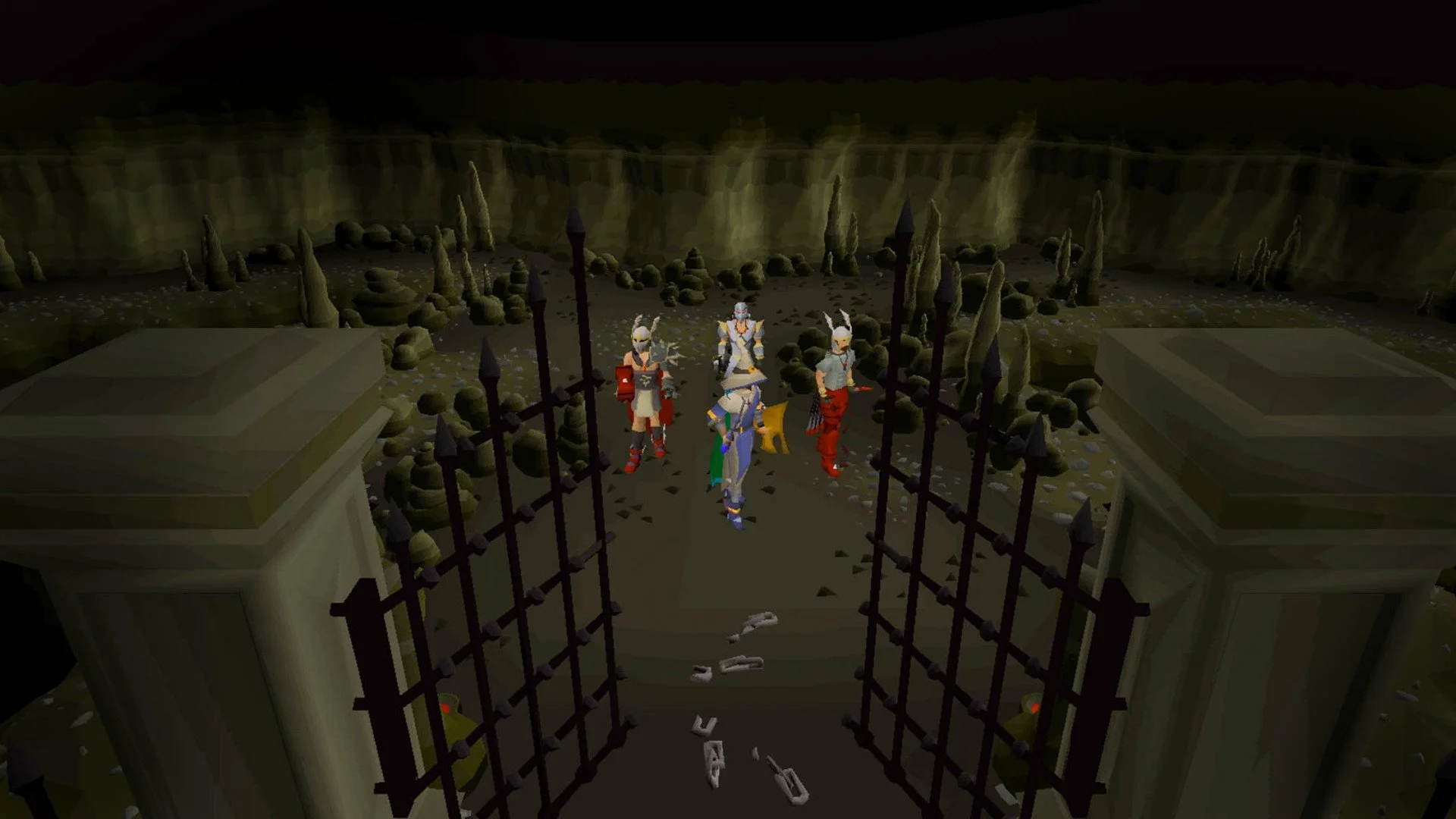
Old School RuneScape in 2026 is one of the most unusual games you can spend serious time on. It is simultaneously one of the oldest active MMORPGs on the market and one of the fastest growing. It has graphics that look like a browser game from 2004 and a player base that is larger today than it was a decade ago. It asks for more patience than almost any modern game and rewards that patience with a depth of progression that very few games come close to matching. Whether it is worth your time depends almost entirely on what you are looking for from a game, and most articles that try to answer this question either oversell it to fans or dismiss it to people who never gave it a real chance. This one is going to be honest about both sides.
Jump To
What OSRS Actually Is in 2026
Is OSRS Still Active and Growing
Who OSRS Is Worth Playing For
Who OSRS Is Probably Not For
What Makes OSRS Different From Every Other MMO
The Biggest Legitimate Complaints About OSRS
The State of OSRS in 2026
Is Free to Play Worth Trying First
Is It Worth Coming Back if You Quit
The Honest Verdict
What OSRS Actually Is in 2026
Old School RuneScape is a massively multiplayer online RPG based on a 2007 snapshot of RuneScape, maintained and expanded through community-voted updates ever since. That origin matters because it explains almost everything about how the game feels. The visual style, the click-based interface, the lack of hand-holding, the absence of a traditional story campaign, the grind-heavy skill system: all of it traces back to design decisions made when the game launched over two decades ago. Jagex has added enormous amounts of content since the 2013 revival, including new bosses, raids, skills, quests, and entire regions of the map, but the core of what OSRS is has never fundamentally changed. It is still a game about building an account over months and years through patient, deliberate progression.
The game has 23 skills, each trainable from level 1 to 99 with a maximum of 200 million experience. It has over 160 quests ranging from short beginner tasks to multi-hour storylines with real narrative weight. It has dozens of bosses ranging from accessible mid-game targets to endgame raids that require coordinated teams and near-perfect mechanical execution. It has a player-driven economy through the Grand Exchange where almost every item in the game is bought and sold at market prices. It has multiple account modes including the standard game and Ironman variants where trading is disabled and every item must be earned personally. It has a competitive PvP system in the Wilderness. It has minigames, achievement diaries, collection logs, and a skill mastery system that gives dedicated players goals to chase for years.
None of that tells you whether OSRS is worth your time. What tells you that is understanding what the game asks of you and whether what it gives in return matches what you are looking for.
Is OSRS Still Active and Growing
OSRS is not just surviving in 2026. It is genuinely thriving by the standards of a game in its third decade of operation. The concurrent player counts have remained consistently strong and the game regularly sees peaks that rival or exceed numbers from years past. The content update cadence has been one of the most consistent in the MMO space, with Jagex delivering significant additions to the game multiple times per year through a community polling system where players vote on proposed content before it is developed.
The player base skews heavily toward adults in their mid-twenties to late thirties who grew up with RuneScape and either never left or came back after years away. That demographic tends to play with more intentionality than younger audiences, which contributes to the game's reputation for having one of the more knowledgeable and engaged communities in gaming. The OSRS subreddit, Discord servers, and fan sites collectively represent one of the more active MMO communities online, and the content creator ecosystem around the game, streamers, YouTube guides, and community wikis, is extensive enough to support players at every level of engagement.
New player numbers have also been consistently healthy, partly because the free to play version provides a genuine entry point with no upfront cost, and partly because the game's reputation for depth and longevity attracts players specifically looking for something that rewards long-term investment. OSRS is not a game people stumble into accidentally and love immediately. The players who find it tend to find it because they were specifically looking for what it offers, which makes the retention rate unusually high compared to games that rely on spectacle to hook players in the first session.
Who OSRS Is Worth Playing For
OSRS is genuinely worth playing for a specific type of person and that person tends to recognize themselves fairly quickly once they understand what the game actually is.
If you enjoy games where long-term progression creates a meaningful sense of ownership over what you have built, OSRS delivers that more completely than almost any other game available. Every level, every piece of gear, every quest completion, and every GP in your bank represents real time and real decisions. Nothing is handed to you and nothing scales down to meet you. The account you have in six months is a direct reflection of how you spent your time, which creates a kind of investment in the character that games with faster, easier progression rarely produce.
If you enjoy goal-oriented gameplay where you can always identify a clear next target, OSRS provides that in abundance. There is always a quest to complete, a skill level to reach, a boss unlock to work toward, or a gear upgrade to save for. The game has enough content that players who have been active for years still have meaningful goals to pursue. The Achievement Diary system, the Collection Log, skill mastery, and the quest cape all provide structured long-term goals that give sessions direction even when you are not following a specific guide.
If you enjoy a game that rewards knowledge and understanding of systems over reflexes or raw mechanical skill, OSRS is one of the best examples of that design philosophy available. Understanding how quest unlocks interact with account progression, knowing which money making methods are appropriate for your current stats, recognizing which skills open which content: these are the things that separate players who feel like they are making real progress from players who feel like they are grinding in circles. The game rewards players who engage with its systems thoughtfully and that reward compounds over time in a way that purely skill-based games do not.
If you enjoy a game that you can play at your own pace without feeling punished for taking breaks, OSRS works well for that too. There are no daily login requirements, no time-limited seasonal content that expires, and no subscription penalties for months where you play less. Your account stays exactly as you left it. Players who take six months off and come back find their account unchanged and the game ready to continue where they left off. That structure suits adults with variable schedules better than games designed around daily engagement hooks.
If you are specifically interested in the Ironman mode, OSRS is one of the best implementations of self-sufficiency gameplay in any MMO. The constraint of not being able to trade makes every resource feel earned in a way that the standard game cannot fully replicate, and the community around Ironman accounts is one of the more positive and engaged sub-communities in the game.
Who OSRS Is Probably Not For
Being honest about who OSRS does not suit is more useful than pretending the game is for everyone, because the players who bounce off it hard in the first week almost always do so for predictable reasons that have nothing to do with the game being bad.
If you need a game to hook you immediately with visual spectacle, fast rewards, or a compelling narrative that pulls you forward, OSRS will likely lose you in the first few hours. The early game is slow. The graphics are deliberately retro. The game does not explain itself well and does not try to. Players who need a game to meet them where they are rather than asking them to invest in learning how it works will find OSRS frustrating rather than rewarding.
If you dislike grinding as a concept, OSRS is not going to convert you. The game is fundamentally built around repetitive actions performed over extended periods to advance skill levels and accumulate resources. The depth of the progression system makes that grind feel meaningful to players who enjoy that structure, but no amount of depth changes the fact that training a skill from level 1 to 99 requires doing essentially the same action thousands of times. If that sounds tedious rather than satisfying, that reaction is completely valid and OSRS is probably not the right game.
If you are primarily a social or narrative gamer who wants a rich story experience or active group content as the core of what you do, OSRS has both quests with genuine storytelling and multiplayer content in the form of raids, but neither is the main event the way it might be in a game like Final Fantasy XIV or World of Warcraft. The social layer in OSRS tends to develop around shared grinding spots, clan communities, and cooperative bossing rather than structured group story content, which is a different kind of social experience than many modern MMO players are used to.
If you are comparing OSRS to modern MMOs on a graphics or quality of life basis, you will find it lacking in ways that are not going to be fixed because they are intentional design choices rather than limitations. The interface, the camera, the animation system, and the visual style are all preserved deliberately because they are part of what the game is. Players who can appreciate that context enjoy the aesthetic. Players who cannot will find it difficult to get past.
What Makes OSRS Different From Every Other MMO
The thing that genuinely sets OSRS apart from virtually every other MMO currently operating is the combination of community ownership over the game's direction and the absence of power creep in its traditional form. These two things together create a game that feels fundamentally different from the rest of the genre in ways that are difficult to fully appreciate until you have experienced both sides.
The polling system means that major content additions to OSRS require a 70 percent approval vote from the player base before development proceeds. This is an unusual arrangement in game development and it produces unusual results. Content that gets added to OSRS has genuine buy-in from the community that plays it. Content that would fundamentally change what the game is can be and regularly is voted down. The system is not perfect and generates its own debates and frustrations, but it creates a relationship between the developers and the player base that is noticeably different from the standard developer-to-player dynamic in most live service games. Players feel genuine ownership over what OSRS is and what it becomes.
The absence of traditional power creep means that gear acquired years ago is still relevant today. The Abyssal Whip has been one of the best melee training weapons in the game since 2005. The Barrows armor set is still viable mid-game equipment. Dragon weapons unlocked through quests are still worth using. OSRS does add stronger items over time but it does so slowly and deliberately, and older gear rarely becomes completely obsolete. This means that the time players invest in acquiring equipment retains its value in a way that games with aggressive gear treadmills cannot offer. An account built two years ago is not starting from scratch because better gear was added since then.
The player-driven economy through the Grand Exchange creates a genuine supply and demand ecosystem where item prices reflect actual player behavior rather than developer-set values. This means that understanding the economy and how it works is itself a meaningful skill that produces real advantages. Players who understand why certain items have value, how to identify price trends, and when to buy or sell produce better outcomes than players who treat the GE as a vending machine. That layer of economic engagement adds depth that purely combat-focused MMOs do not have.
The Biggest Legitimate Complaints About OSRS
The criticisms of OSRS that come from people who have actually played it seriously are worth taking seriously, because most of them are accurate observations about real aspects of the game rather than surface-level dismissals.
The new player experience is genuinely poor. OSRS does almost nothing to guide new players toward the content that makes the game rewarding, and the gap between what a new player instinctively does and what actually produces efficient progression is large enough that many players quit before ever reaching the parts of the game they would have enjoyed. The game was not designed with modern onboarding standards in mind and it shows. Players who find their way through that early confusion through guides, communities, or sheer persistence tend to stick around. Players who do not often conclude the game is not for them based on an experience that did not represent what OSRS actually is at its best. The OSRS beginner guide exists specifically because the game will not tell you what actually matters in the early game.
The membership price has increased meaningfully over recent years and the community's frustration with it is legitimate. OSRS membership has become one of the more expensive subscription MMOs at current pricing, and for players in regions where the exchange rate makes that price disproportionate, it is a real barrier. Jagex has not always communicated price increases in ways that felt respectful of the community, and the accumulated resentment around the issue is understandable from long-term subscribers.
The grind required for certain goals is extreme by any objective measure. Getting a skill from level 90 to 99 takes longer than getting it from level 1 to 90 in most cases. Some of the game's most desirable items have drop rates measured in thousands of kills with no bad luck protection. The collection log completionist path requires rare drops from dozens of different sources across hundreds of hours of content. Players who engage with these goals do so with full awareness of what they require, but the commitment involved is not for everyone and pretending otherwise would be dishonest.
The Wilderness and PvP system creates a zone of the game where years of account development can be lost to another player in seconds if the wrong choices are made. For players who enjoy the risk versus reward tension of the Wilderness, this is one of the most engaging systems in the game. For players who find involuntary PvP fundamentally unfair, it is a permanent source of frustration that affects access to certain content and resources. The game has made adjustments to reduce the forced interaction between PvP and PvE players over the years but the tension between those two audiences has never been fully resolved.
The State of OSRS in 2026
OSRS in 2026 is in one of the stronger periods in its post-revival history in terms of content quality and development momentum. The introduction of the Sailing skill represented the first new skill added to OSRS in years and brought with it an entirely new progression system, new areas to explore, and new money making methods that opened up fresh options for accounts at multiple stages of development. The reception to Sailing has been largely positive among the player base and it has added genuine depth to the mid and late game in ways that earlier skill additions did not.
The bossing roster in 2026 is the most complete it has ever been. The Fortis Colosseum added one of the most mechanically demanding solo PvE challenges in OSRS history and has become a benchmark for high-end player skill. The Tombs of Amascut continue to represent a strong mid-tier raid option with scalable difficulty that makes it accessible to a wider range of account stages than the Chambers of Xeric or Theatre of Blood. The Wilderness boss rework and the addition of newer Slayer targets have kept the mid-game combat landscape feeling fresh rather than stagnant.
The game's relationship with its community remains one of its defining characteristics. Jagex actively engages with player feedback through polling, community consultation, and public development blogs in a way that most live service game developers do not. That relationship is not without friction, and the community debates around polling thresholds, update direction, and pricing have been genuine and sometimes contentious. But the underlying structure of a game that takes player input seriously before making major changes remains intact and continues to produce a game that feels like it belongs to its community in a meaningful way.
Is Free to Play Worth Trying First
Free to play is worth trying before buying membership if you have never played OSRS and are genuinely unsure whether the gameplay style suits you. It gives you enough of the core loop to make an informed decision about whether membership is worth the cost. Training skills, completing the available quests, navigating the world, and understanding the basic economy are all things you can experience in free to play before spending money.
The important thing to understand is that free to play will show you OSRS at its most limited. The progression ceiling is low, the money making options are restricted, and almost everything that makes longtime players passionate about the game is behind the membership paywall. Free to play is the trial version and it functions well as one, but making a final judgment about whether OSRS is worth your time based solely on the free to play experience is like judging a restaurant by the bread they bring before the meal.
If you play free to play for a few days and find yourself genuinely enjoying the gameplay loop even in its limited form, that is a strong signal that membership will keep you engaged. If you play free to play and find the core of clicking on things to level skills fundamentally uninteresting, membership is not going to change that. The full breakdown of whether membership is worth buying covers the real money versus Bond question and when the right time to upgrade is.
Is It Worth Coming Back if You Quit
If you played OSRS at any point in the past and quit for reasons related to burnout, lack of direction, or feeling like you had run out of things to do at your account stage, it is very likely worth coming back in 2026. The game has changed substantially even in the last few years alone. New bosses, new skills, new quests, new regions, and new money making methods have all been added and the content calendar continues to deliver meaningful additions on a regular basis.
The account you left is still there exactly as you left it. Your levels, your gear, your bank, your quest completions: all of it is preserved. Returning players often find that the account they abandoned is actually in a strong position to access content they never reached the first time around, and having the foundational stats already developed means the early game grind is already behind them.
The most common reason returning players quit again quickly is the same reason they quit the first time: lack of direction combined with the feeling that everything worth doing requires stats or quests they do not have yet. The solution is the same as it is for new players. Treat quest completions as the primary progression driver, identify the next meaningful unlock the account is positioned to work toward, and build toward it with purpose rather than grinding randomly and hoping progress feels meaningful. The OSRS money making guide covers the income methods available at every account stage, which is usually the first practical question returning players need answered.
The Honest Verdict
OSRS in 2026 is worth playing if you are the kind of person it is built for. It is a game about long-term investment, deliberate progression, and building something over months and years that feels genuinely yours. It is not a game that will impress you in the first hour. It is a game that rewards patience, curiosity, and the willingness to engage with systems that do not explain themselves. Players who give it that investment consistently find it one of the most rewarding games they have played. Players who want something faster, more visually impressive, or more immediately gratifying are unlikely to find what they are looking for here regardless of how good the depth of content is.
The clearest signal that OSRS is worth trying is if you found yourself reading this entire article genuinely curious about whether it suits you rather than looking for permission to skip it. Players who are not built for OSRS usually know within the first few paragraphs of any honest description of the game. Players who are built for it tend to find themselves wanting to know more. If you are in the second group, it is worth your time. Start free to play, finish the available quests, and see if the loop still has you logging in after a week. If it does, buy membership and let the real game begin.