How To Make Planks in OSRS
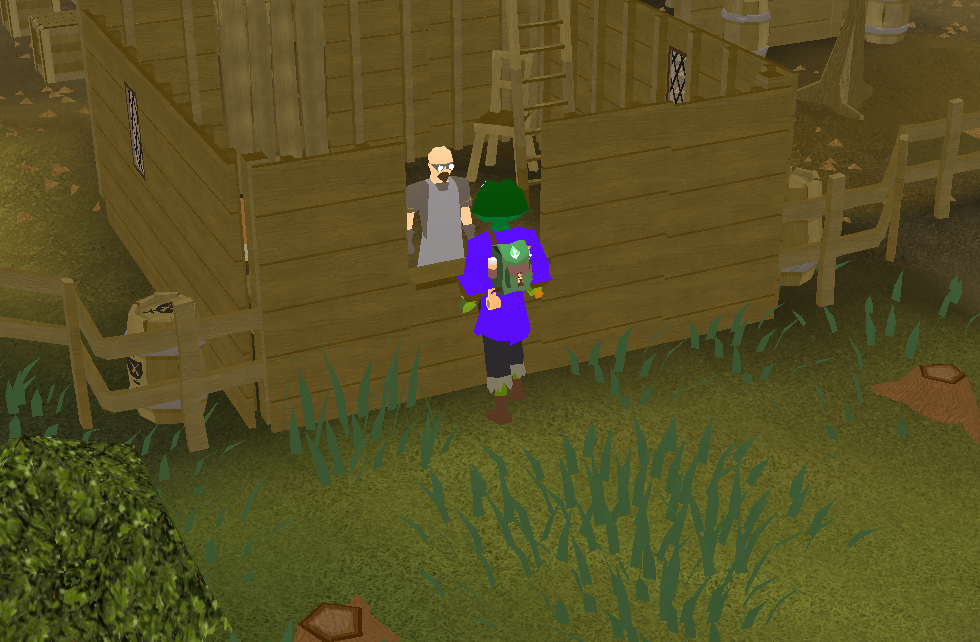
In Old School RuneScape, planks are made by converting specific logs into planks for a fixed coin cost, and every Construction method depends on them. There is no shortcut that avoids paying for planks, and no alternative materials that replace them. If you have the correct logs and enough coins, you can always make planks the same way. Understanding this early saves a lot of confusion and wasted time.
How Plank Creation Works in OSRS
Planks are created by converting unnoted logs into planks through a sawmill operator, a servant, or the Plank Make spell. The conversion is instant, always succeeds, and charges a fixed amount of coins per log. Your levels, location, and equipment do not change the cost or output. All plank making methods follow this same rule set.
Plank Types Used for Construction
Only a specific set of logs can be turned into planks. Any log not listed here cannot be used for Construction.
Normal planks made from logs
Oak planks made from oak logs
Teak planks made from teak logs
Mahogany planks made from mahogany logs
Camphor planks made from camphor logs
Ironwood planks made from ironwood logs
Rosewood planks made from rosewood logs
Logs such as maple, yew, or magic do not have plank versions and cannot be converted.
Plank Conversion Costs
All sawmills charge the same prices, regardless of location.
| Plank Type | Log Required | Cost Per Plank |
|---|---|---|
| Normal plank | Logs | 100 coins |
| Oak plank | Oak logs | 250 coins |
| Teak plank | Teak logs | 500 coins |
| Mahogany plank | Mahogany logs | 1,500 coins |
| Camphor plank | Camphor logs | 2,500 coins |
| Ironwood plank | Ironwood logs | 5,000 coins |
| Rosewood plank | Rosewood logs | 7,500 coins |
Coins and unnoted logs must both be in your inventory when converting planks.
Sawmill Locations
Every sawmill produces planks the same way, so location choice is about banking speed and movement.
| Sawmill Location | Requirements | Why Use It |
|---|---|---|
| Lumber Yard near Varrock | Members | Default early game option, easy access |
| Woodcutting Guild | 60 Woodcutting | Bank next to sawmill, very smooth plank processing |
| Prifddinas | Song of the Elves | Good for converting nearby teak or mahogany logs |
| Auburnvale | Area access | Bank |
Plank output and cost never change based on location.
Increasing Planks Per Hour
Efficiency comes from carrying more logs and planks per trip, not faster conversion.
Log basket increases the number of logs you can carry
Plank sack increases the number of planks you can carry
Using both together allows up to 54 planks per trip
Some players also use a looting bag at the Lumber Yard to store extra planks before banking. This is situational and mainly used for normal or oak planks.
Making Planks Inside Your House
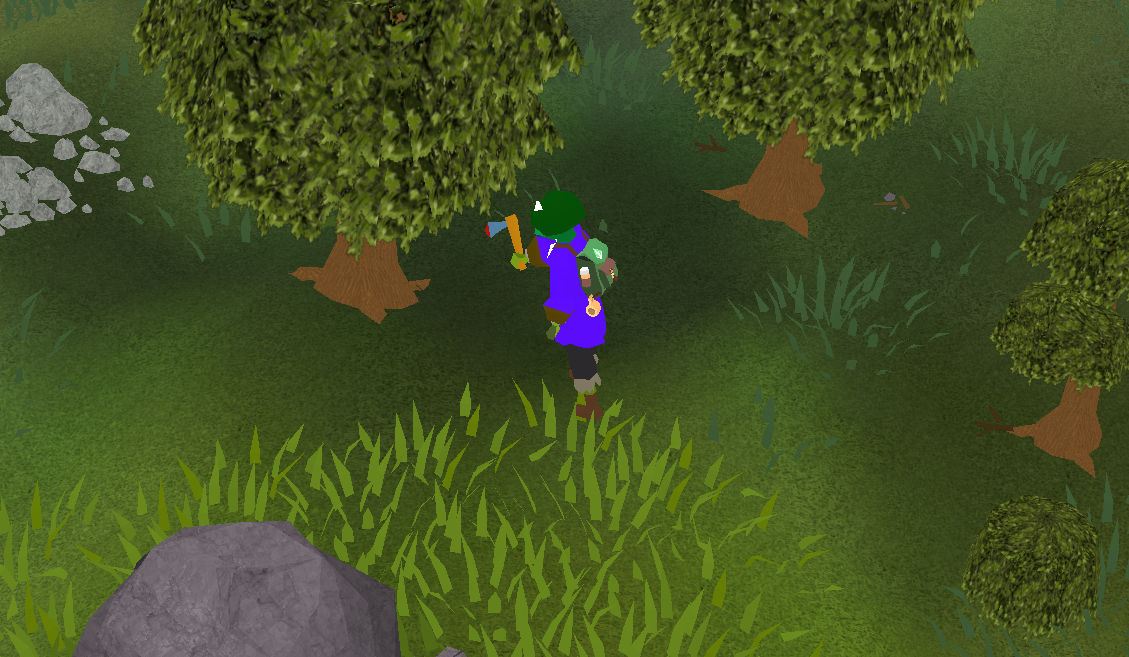
After unlocking a servant such as a butler or demon butler, planks can be made from inside a player owned house. You bring unnoted logs into the house and send the servant to the sawmill to convert them. The coin cost per plank stays the same, but travel time is greatly reduced.
This method is commonly used for high level Construction training. If logs are noted, Phials can be used to unnote them efficiently.
Using the Plank Make Spell
The Plank Make spell converts logs into planks without visiting a sawmill. It requires 86 Magic and completion of Lunar Diplomacy and Dream Mentor. This method replaces travel time with rune costs and manual casting.
It is mainly used for convenience rather than saving gold.
Free Plank Sources
A limited number of planks spawn in the world and can be collected for free. These are mostly useful at very low Construction levels.
A teak plank spawn can also be collected using Telekinetic Grab after completing Song of the Elves, but this method is slow and not practical for large quantities.
Final Notes
Plank making in Old School RuneScape follows strict, predictable rules. Costs never change, conversion never fails, and efficiency always comes from movement and inventory management. Once you understand that planks are the true cost behind Construction, planning the skill becomes straightforward instead of frustrating.
By Andrew B.
More Old School RuneScape